BD gains FDA clearance and CE mark for bacterial panels on COR System
The panels employ PCR techniques to test for numerous gastrointestinal bacterial pathogens using one stool swab.

The panels employ PCR techniques to test for numerous gastrointestinal bacterial pathogens using one stool swab.

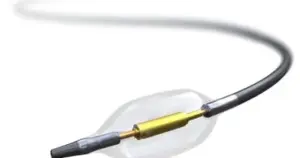
Aqua Medical has received an investigational device exemption (IDE) from the FDA for its ablation device intended to treat diabetes, the company told MassDevice ahead of an official announcement later today.

VANCOUVER, BC, Nov. 3, 2025 /PRNewswire/ — WAT Medical Enterprise Ltd. proudly announced the publication of a groundbreaking clinical trial in The Journal of Bone & Joint Surgery (JBJS) which demonstrates the significant benefits of the EmeTerm wristband in reducing postoperative nausea and vomiting (PONV) in patients undergoing total hip or knee arthroplasty (THA/TKA) under spinal anesthesia.

University of Texas at Dallas researchers have developed biosensor technology that, when combined with artificial intelligence (AI), shows promise for detecting lung cancer through breath analysis.

MIT researchers show they can use messenger RNA to activate the pathway and trigger the immune system to attack tumors.

Antibody unmasks pancreatic tumors’ ‘sugar-coated’ disguise to keep them from evading immune system

Wandercraft announced today that the FDA expanded the indications for its flagship Atalante X rehabilitation device.

As chronic liver disease becomes more widespread, researchers at Science Tokyo have developed a lab-grown organoid that replicates a regenerating liver, offering new hope for future treatments.

A research team led by the Institute for Bioengineering of Catalonia (IBEC) and collaborating with the Biomedical Research Institute of A Coruña (INIBIC), as well as other international research groups, has developed pioneering technology that enables human kidney organoids to be produced in a scalable manner.

Researchers from Singapore General Hospital (SGH) and National University of Singapore (NUS) found that using pulsed electromagnetic fields to stimulate muscle tissue and mimic the effects of exercise could benefit patients with type 2 diabetes with excess belly fat.