
FDA approves Dilon’s intraoperative margin assessment device
According to a US pivotal study, the device’s sensitivity has been reported at more than 76% on all specimens.

According to a US pivotal study, the device’s sensitivity has been reported at more than 76% on all specimens.
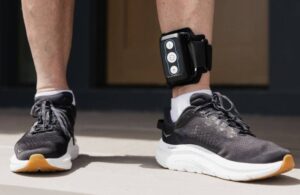
BlueWind Medical announced today that the FDA granted 510(k) clearance for its enhanced Revi implantable tibial neuromodulation (iTNM) system.

If gut bacteria are too similar to the protective layer of nerves, they can misdirect the immune system and cause it to attack its own nervous system. This mechanism can accelerate the progression of multiple sclerosis, as researchers at the University of Basel have shown in trials with mice. However, their results also open up opportunities for treatments that make use of the microbiome.

In a new nationwide study published in The Lancet that included Mayo Clinic, investigators found that patients with oropharyngeal cancer can live longer with fewer side effects if treated with proton beam radiation therapy.
The first-in-human clinical phase I trial assessing the feasibility and safety of WDVAX, an immunostimulatory biomaterial-based cancer vaccine, in a cohort of 21 patients with stage 4 metastatic melanoma, was concluded with positive outcomes that encourage future vaccine developments and trials to test them in combination with immune checkpoint inhibitor therapies.
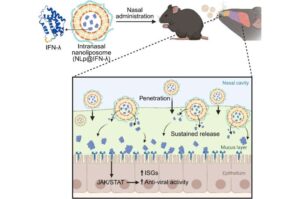
Respiratory viruses that have diverse strains and mutate rapidly, such as influenza and COVID-19, are difficult to block perfectly with vaccines alone. To solve this problem, KAIST’s research team has successfully developed an intranasal antiviral platform using AI technology to overcome the existing limitations of interferon-lambda treatments—namely, being weak against heat and disappearing quickly from the nasal mucosa.
Scientists at the Icahn School of Medicine at Mount Sinai have developed a novel artificial intelligence tool that not only identifies disease-causing genetic mutations but also predicts the type of disease those mutations may trigger.
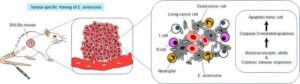
A research team of Prof. Eijiro Miyako at the Japan Advanced Institute of Science and Technology (JAIST) has discovered that the bacterium Ewingella americana, isolated from the intestines of Japanese tree frogs (Dryophytes japonicus), possesses remarkably potent anticancer activity
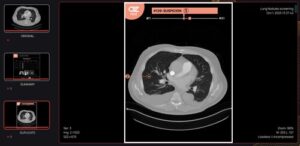
PARIS, Dec. 15, 2025 /PRNewswire/ — AZmed, one of the leading companies in artificial intelligence (AI) for radiology, announced today the CE marking of AZnod, its first AI tool for computed tomography (CT) within the new Rayscan® product line. This expansion complements AZmed’s existing Rayvolve® AI Suite, extending the company’s portfolio beyond standard X-rays to include advanced CT-based analysis.
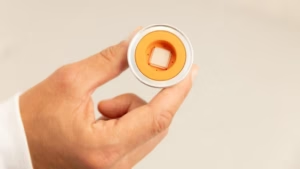
The patch is tailored to deliver all types of vaccines to the skin using a simple applicator.