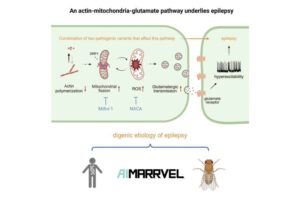
Researchers uncover novel pathway that causes epilepsy
Researchers have uncovered a novel biological pathway that can lead to seizures when disrupted.

Researchers have uncovered a novel biological pathway that can lead to seizures when disrupted.
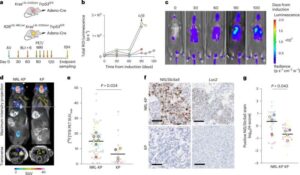
One of the biggest challenges in cancer research has been linking the “big picture” seen in medical scans with the microscopic biology that drives tumor growth and dictates how patients respond to treatment.
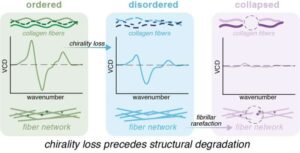
An international team led by researchers at Hiroshima University has developed a new way to detect subtle, early-stage changes in human skin collagen before any visible signs of damage appear.
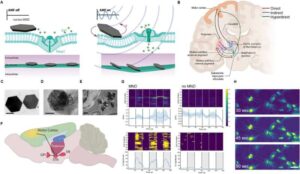
An international team has succeeded in using a magnetic field to target structures deep within the brain. The researchers injected magnetic nanoplatelets into the relevant region. By doing so, they succeeded in treating movement deficits in mice suffering from Parkinson’s-like symptoms.

About 9% of men of reproductive age in the United States experience fertility problems.
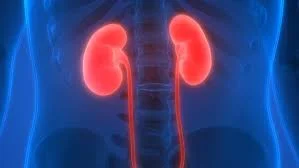
The disease is projected to become the fifth leading cause of death by 2040 if diagnosis and treatment rates do not improve
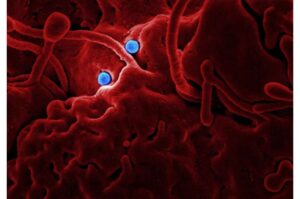
Lincoln researchers are the first to show that metabolites produced by certain gut bacteria can positively affect the body’s immune response to cancer.
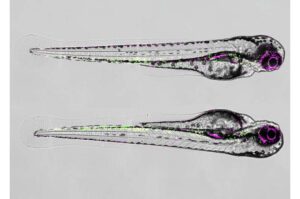
Humans cannot fully heal spinal cord injuries. When the spinal cord is damaged, the body’s immune system often spirals into chaos. This overwhelming inflammatory response creates permanent scar tissue that stops nerve cells from ever repairing themselves or their connections. Zebrafish, however, have mastered the biological art of managing this cellular chaos to completely heal spinal cord damage.
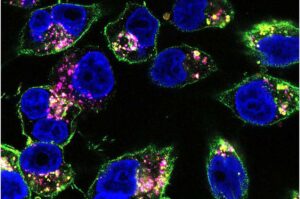
Modern anticancer medications that combine tumor-fighting drugs with proteins that specifically target cancer cells are a relatively new class of drugs, often given to patients for whom standard chemotherapy has not worked. The drugs are precise but can attack only one type of target in a cancer cell at a time. This limits their effectiveness against tumors containing multiple types of targets, which becomes more likely as cancer progresses or tumors become resistant to conventional therapies.
The most effective treatment for Parkinson’s remains L-dopa, also called levodopa, a medication that can dramatically improve movement and quality of life. But the relief often comes with a caveat: Over time, the drug’s benefits can become less reliable, and it can cause erratic, involuntary movements known as dyskinesia.