Blog

- DISEASE ADVANCES

Microfluidic chip tracks cancer relapse by measuring white blood cell adhesion

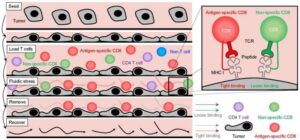
A new microfluidic technology that leverages immune cell behavior is set to transform cancer monitoring, thanks to researchers at UNIST. Led by Professor Joo Hun Kang in the Department of Biomedical Engineering at UNIST, the team has introduced a novel diagnostic chip that analyzes the adhesion properties of leukocytes, or white blood cells, to detect cancer recurrence and evaluate the effectiveness of chemotherapy.

Read More »

Deep learning model predicts which heart-failure patients will worsen within a year

Characterized by weakened or damaged heart musculature, heart failure results in the gradual buildup of fluid in a patient’s lungs, legs, feet, and other parts of the body. The condition is chronic and incurable, often leading to arrhythmias or sudden cardiac arrest. For many centuries, bloodletting and leeches were the treatment of choice, famously practiced by barber surgeons in Europe, during a time when physicians rarely operated on patients.

Read More »