Quest launches flow cytometry MRD test for myeloma
Quest expects the new blood test will support response monitoring in clinical trials.

Quest expects the new blood test will support response monitoring in clinical trials.

RevealDX’s software analyses CT scans and assigns lung nodules with a Malignancy Similarity Index score to aid in lung cancer diagnosis.

Medtronic (NYSE: MDT)+
today announced three U.S. milestones expanding access to its MiniMed 780G automated insulin delivery system.

Technology created at the University of Queensland could improve the odds of surviving brain cancer and change how we treat a range of neurological conditions.

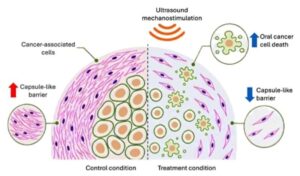
For people who are at high risk of developing breast cancer, frequent screenings with ultrasound can help detect tumors early.

Scientists have designed an immunotherapy that reduces plaque in the arteries of mice, presenting a possible new treatment strategy against heart disease.

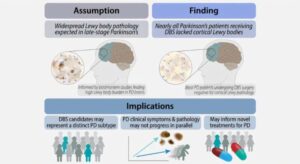
As humans age beyond early adulthood, their physical and mental functions tend to slowly worsen over time. One of the most common sources of severe mental decline in older adults are neurodegenerative diseases, conditions characterized by the progressive loss of neurons in the brain or peripheral nervous system.

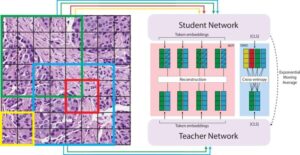
A new study from Yale University researchers shows how artificial intelligence can bring image, gene and protein data together, offering a clearer picture of what is happening inside the body and how diseases develop.

When a car accident or athletic injury destroys more than 20% of a muscle’s mass, the body faces a problem it often can’t heal fully on its own. Without intervention, scar tissue fills the injury site and can leave patients with permanent weakness and limited mobility.

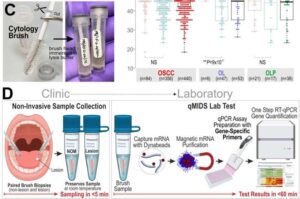
Genetic ancestry plays a key role in determining the behavior of head and neck tumors and may help explain why African-American patients survive for half as long as their counterparts of European ancestry, according to a new review study led by researchers from the University of Maryland School of Medicine’s (UMSOM) Institute for Genome Sciences (IGS) and the University of Maryland Greenebaum Comprehensive Cancer Center (UMGCCC).