Cost-effective AI tool can predict markers of Alzheimer’s disease
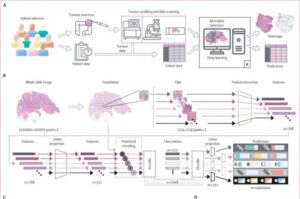
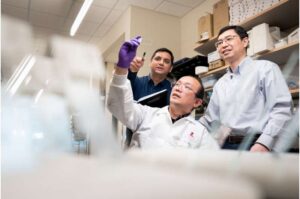
Researchers at Boston University Chobanian & Avedisian School of Medicine have built an artificial intelligence (AI) tool that can accurately predict key signs of Alzheimer’s disease.

Researchers at Boston University Chobanian & Avedisian School of Medicine have built an artificial intelligence (AI) tool that can accurately predict key signs of Alzheimer’s disease.

New research from the Institute of Psychiatry, Psychology & Neuroscience (IoPPN) at King’s College London in partnership with the Mayo Clinic and UNEEG medical, has found that an electronic device placed under the scalp is an effective and feasible means of accurately tracking epilepsy.

Cornell researchers have developed an implant system that can treat type 1 diabetes by supplying extra oxygen to densely packed insulin-secreting cells, without the need for immunosuppression.

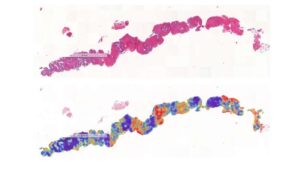
The method assesses growth rates of the tumour and detects gene patterns that can forecast outcomes of the patient.

The system is compatible with 1.5T and 3T magnetic resonance imaging scans and eliminates the need for an implanted battery.

EDX claims the test, which is intended for use in the ICU, provides results for guiding treatment decisions within 60 seconds.

The introduction of the test is underpinned by data from the blinded, prospective EXPAND study, which began in 2023.

Uppsala University Hospital-led investigators report that gene-edited donor islet cells survived 12 weeks inside a man with long-standing type 1 diabetes without any immunosuppressive medication.

Researchers from Helmholtz Munich, the Technical University of Munich (TUM), and the Medical University of Vienna have developed an advanced imaging technique called “O2E” that allows clinics to detect cancerous lesions in the esophagus with unprecedented precision.

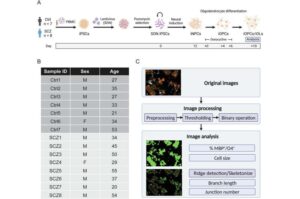
Amyotrophic lateral sclerosis (ALS), known as Lou Gehrig’s disease, is an incurable neurological disorder affecting motor neurons—nerve cells in the brain and spinal cord that control voluntary muscle movement and breathing.