
CergenX achieves CE Mark for pioneering AI technology designed to transform newborn brain assessment
Irish medtech company reaches major regulatory milestone for AI-powered technology providing rapid, objective insights into newborn brain activity

Irish medtech company reaches major regulatory milestone for AI-powered technology providing rapid, objective insights into newborn brain activity
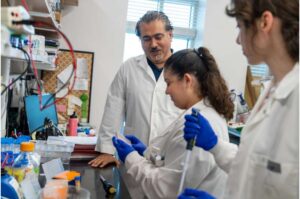
Triple-negative breast cancer (TNBC) has a frustrating ability to adapt. Although this aggressive form of breast cancer can initially respond well to chemotherapy, cancer cells often find ways to survive, allowing the disease to return and become resistant to treatment.
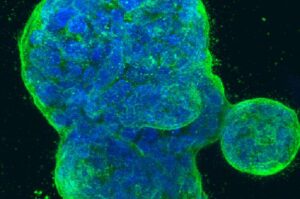
Australian researchers have uncovered a promising new way to tackle one of the most aggressive forms of breast cancer, raising hopes for more effective treatments to stop the disease from spreading.

Melbourne researchers have made a gene therapy breakthrough that could restore heart function in children with genetic heart disease, sparing them the need for transplants.

Cancer spreading beyond the primary tumor—a process known as metastasis—is responsible for at least two-thirds of cancer deaths. Drugs targeting metastatic progression have largely failed, in part because of the lack of predictive models that would help identify the underlying mechanisms of metastasis.

Doctor-created Livi addresses a long-overlooked need in post-sex intimate health, available exclusively at MyLivi.com.

Biologic medicines have transformed the treatment of cancer, autoimmune diseases, migraine, inflammatory disorders and many other conditions. Yet their growing use among women of reproductive age constitutes a major clinical challenge because therapeutic IgG antibodies are actively transported across the placenta to the developing fetus. Evidence supporting the safe use of such therapeutics during pregnancy remains limited.

Ovaries are one of the first organs to age, and their decline shapes women’s health decades later
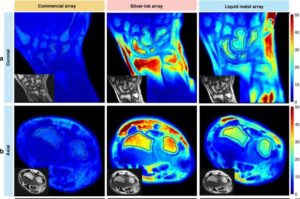
Some of medicine’s smallest patients can present its biggest imaging challenges. An infant’s heart can be as small as a walnut, beating rapidly inside a body that will change dramatically as the child grows. Yet much of the equipment used in MRI comes in standard sizes better suited to adult bodies, and customized versions can cost thousands of dollars and take months or even years to manufacture.
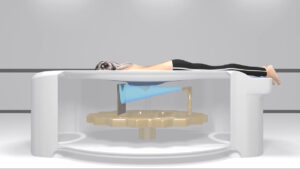
Certification strengthens Koning’s global regulatory foundation as two new Vera Breast CT systems expand patient access in key U.S. markets