
A Blood Test That Could Detect Breast Cancer as Early as Stage I Has Started Clinical Trials
A new blood test that could lead to earlier detection and treatment of breast cancer.

A new blood test that could lead to earlier detection and treatment of breast cancer.
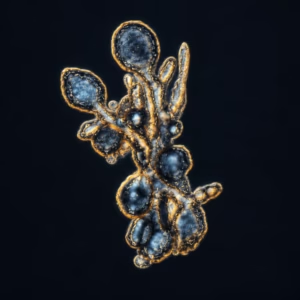
Exposure to hormone-disrupting chemicals may leave molecular changes that could someday help identify people at higher risk of breast cancer

A research team led by professor Chan Kui-ming from the Department of Biomedical Sciences at CityUHK discovered that H2BE113K, a missense H2B mutation, promotes colony formation and lung metastasis in breast cancer.

Women struggling to secure answers for suspected endometriosis and PMOS could be given stronger evidence of their symptoms through wearable technology shaped by its founder’s own lived experience. WombWise, founded by Edinburgh Napier University graduate Emily Youngs, has been crowned winner of the Create Change Challenge at the Converge Awards.

Argus’s Neurora tool is intended to complement clinicians’ professional judgement rather than serve as a standalone diagnostic for autism.
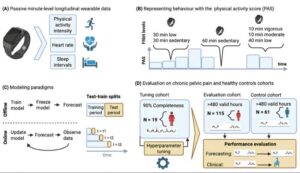
Researchers at the Icahn School of Medicine at Mount Sinai have developed an artificial intelligence (AI) approach that uses data from wearable devices to forecast upcoming periods of prolonged sitting in women with chronic pelvic pain disorders.

U.S. FDA Orphan Drug Designation (ODD) and Rare Pediatric Disease Designation (RPDD) underscore UTRxMYCN M1-14’s therapeutic targeting of the “undruggable” MYCN (N-MYC) in rare, aggressive soft tissue sarcomas, addressing a significant unmet clinical need in pediatric and adult sarcomas.
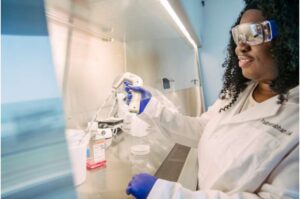
Ovarian cancer is often diagnosed after it has already spread to other parts of the body, at which point the five-year survival rate is under 30%.

Marani’s M•wrap for foetal and and maternal heart signal monitoring is intended to give patients an at-home monitoring option versus travelling to a clinic.
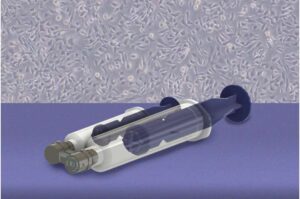
One of the main reasons ovarian cancer is among the deadliest forms of cancer is timing: When doctors catch it early, the five-year survival rate can be more than 90%. But when doctors catch it late, in stages 3 or 4, five-year survival is less than half that.