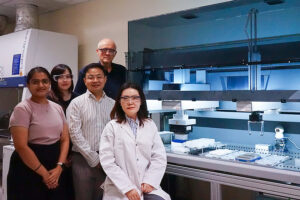
New key genes in Parkinson’s disease identified using CRISPR technology
Findings reveal opportunities for new treatments of Parkinson’s and related neurodegenerative disorders

Findings reveal opportunities for new treatments of Parkinson’s and related neurodegenerative disorders

The Greenland shark likes to stick around, with some estimates suggesting a lifespan of more than 500 years – and a new study of the shark’s DNA has given researchers vital clues to the secret of its longevity.

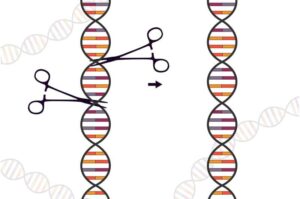
The programmable proteins are compact, modular, and can be directed to modify DNA in human cells.

A novel tool for rapidly identifying the genetic “fingerprints” of cancer cells may enable future surgeons to more accurately remove brain tumors while a patient is in the operating room, new research reveals. Many cancer types can be identified by certain mutations, changes in the instructions encoded in the DNA of the abnormal cells.

A team led by University of Pittsburgh School of Public Health geneticists has shown, for the first time, that a gene “silencer” that resides in junk DNA is directly sparing people from a devastating and fatal progressive neurological disease.

Researchers have developed a powerful tool that can detect variants of SARS-CoV-2 with high transmission potential before they become widespread. This approach could significantly support public health efforts to control outbreaks and help identify new variants that need closer monitoring.

LONDON and MUNICH and NEW DELHI, Jan. 21, 2025 /PRNewswire/ — Datar Cancer Genetics (DCG) today announced the launch of Target-MRD, an advanced molecular residual disease (MRD) monitoring blood test for solid organ cancers. Target-MRD is a blood test based on tumor-agnostic next-generation sequencing (NGS) and customized, tumor-informed droplet digital PCR (dd-PCR) assay.

HOUSTON, Jan. 21, 2025 /PRNewswire/ — IntelliGenome, an innovative molecular diagnostic solutions provider, is pleased to announce that the U.S. Food and Drug Administration (FDA) has granted Breakthrough Device Designation to its CRISPR-Tuberculosis (TB) Blood Test. This test is the first qualitative real-time polymerase chain reaction (PCR) assay to combine CRISPR technology, designed to detect Mycobacterium tuberculosis (Mtb) cell-free DNA in human serum and EDTA plasma.

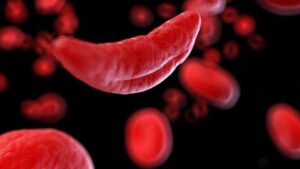
Scientists have developed a way of assessing the ability of red blood cells to deliver oxygen by measuring their shape. This test could improve specialist transplant and transfusion practice as well as blood banking. The research is published in eBioMedicine.

RNA in the human genome’s understudied ‘Wild West’ might be key to regulating genetic disorders like epilepsy, autism