
Ribbon Bio Launches Cell-Free MiroSynth DNA and New In-Lab Cell-Free DNA Production Kit
Together, these announcements represent a step forward in increasing accessibility to complex DNA

Together, these announcements represent a step forward in increasing accessibility to complex DNA
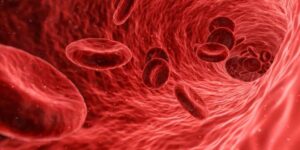
Scientists have developed a way to turn the body’s own immune cells into cancer-fighting agents—without removing them from the body—by using red blood cells to deliver genetic instructions.
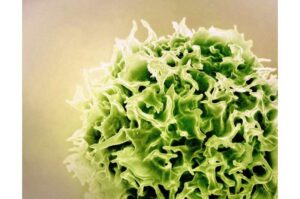
A pharmaceutical research team has identified a natural compound, timosaponin AIII (TAIII), that selectively eliminates CAR-T regulatory T cells.
An international team of researchers has identified an East African bat coronavirus capable of entering human cells.
Oregon Health & Science University researchers have developed a first-of-its-kind method to predict cancer patient survival using advanced molecular data from individual cells.
Researchers from Children’s Hospital of Philadelphia (CHOP) developed a new RNA sequencing strategy that can reveal how genetic variants disrupt gene function and improve the diagnosis of rare diseases.
A study by investigators at Mass General Brigham has found that a blood test of plasma phosphorylated tau 217 (pTau217), an Alzheimer’s disease biomarker, can predict the progression of amyloid PET scan changes and cognitive decline in cognitively healthy older adults.
Scientists have taken an important step toward a gene therapy that could one day turn off the extra genetic material that causes Down syndrome (DS)
A new study suggests a simple letter change can reverse sex development, causing a mouse with female chromosomes (XX) to develop male genitalia.
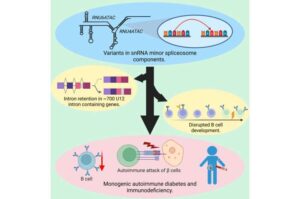
Scientists have found new genetic causes for diabetes in babies—in a part of the genome that has historically been overlooked in genetic studies.