
Cell-preservation technique could make CAR-T cell therapy more accessible
MIT researchers’ approach, which uses naturally occurring sugars as antifreeze, could make it easier for hospitals to deploy this type of cancer treatment.

MIT researchers’ approach, which uses naturally occurring sugars as antifreeze, could make it easier for hospitals to deploy this type of cancer treatment.

A new stem cell treatment for ARK (aniridia-related keratopathy) improved patients’ vision in a first-in-human clinical trial for this previously untreatable rare genetic eye condition at Moorfields Eye Hospital and University College London (UCL), published in JAMA Ophthalmology.
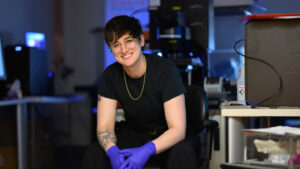
Shannon Knight, a brain and cognitive sciences PhD candidate and McGovern Institute researcher, focuses on developing a novel gene therapy.
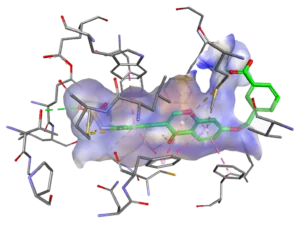
ANS-858 is being developed to reduce pathological craving associated with alcohol and other substance use disorders.
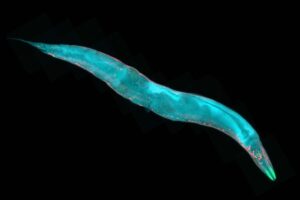
A study of worms finds a protein that helps shape the structure of the genome is critical for establishing the identity of some neurons.
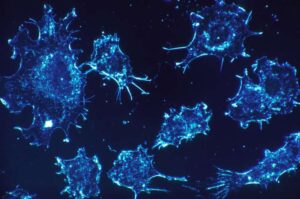
Researchers from the Cancer Science Institute of Singapore (CSI Singapore) at the National University of Singapore (NUS) have uncovered a previously unknown mechanism that helps cancer cells evade detection by the body’s immune system.
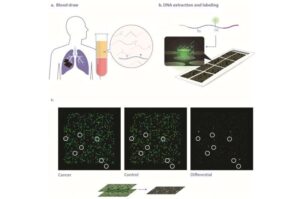
Researchers at Tel Aviv University have developed a new method for diagnosing lung cancer: a simple, fast, low-cost blood test that does not require DNA sequencing.

A new study co-led by professor Valeriya Malysheva, group leader at the VIB-UAntwerp Center for Molecular Neurology, published in Nature Genetics, uncovers how the three-dimensional organization of DNA in rare immune cells can help explain genetic risk for Crohn’s disease and other autoimmune conditions.
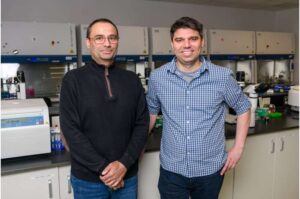
A gene-editing tool designed to precisely rewrite the gene that causes Huntington’s disease reduced toxic protein fragments and symptoms associated with the disease in mice, researchers at the University of Illinois Urbana-Champaign report.
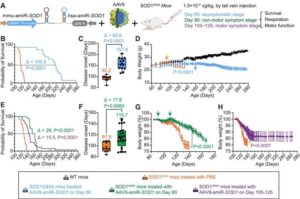
A single IV injection of a microRNA-based biologic developed by Guangping Gao, Ph.D., Robert H. Brown Jr., DPhil, MD, Jun Xie, Ph.D., and Zuoshang Xu, MD, Ph.D., suppressed production of the mutant SOD1 protein that causes amyotrophic lateral sclerosis (ALS), delayed disease onset by 60 days and extended lifespan by 100 days—more than tripling the average survival time—in mouse models of the disease.