MedTech News:

GENETICS

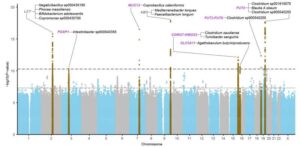
Studies show 11 genetic variants affect gut microbiome

In two new studies on 28,000 individuals, researchers are able to show that genetic variants in 11 regions of the human genome have a clear influence on which bacteria are in the gut and what they do there. Only two genetic regions were previously known. Some of the new genetic variants can be linked to an increased risk of gluten intolerance, hemorrhoids and cardiovascular diseases.

Read More »

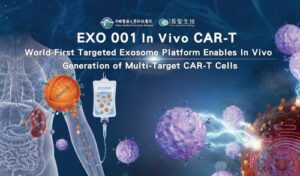
World-First EXO 001 Exosome Platform Enables In Vivo Multi-Target CAR-T for Solid Tumors

TAICHUNG, Feb. 13, 2026 /PRNewswire/ — Cancer has long ranked among the leading causes of death in Taiwan, and solid tumors account for more than 90% of cancer cases worldwide—making them the most challenging frontier for CAR-T cell therapy. China Medical University Hospital (CMUH) announced today that, in collaboration with Ever Supreme Bio Technology, it has successfully developed the world’s first EXO 001 targeted exosome platform, a breakthrough technology that enables direct in vivo programming of T cells to generate multi-target nanobody-based CAR-T cells.

Read More »

Researchers discover genetic ancestry is a critical component of assessing head and neck cancerous tumors

Genetic ancestry plays a key role in determining the behavior of head and neck tumors and may help explain why African-American patients survive for half as long as their counterparts of European ancestry, according to a new review study led by researchers from the University of Maryland School of Medicine’s (UMSOM) Institute for Genome Sciences (IGS) and the University of Maryland Greenebaum Comprehensive Cancer Center (UMGCCC).

Read More »

Epistasis study uncovers genetic interactions linked to heart disease

Euan Ashley’s lab explores the intricate interactions of gene variants. Tiny “typos,” or genetic mutations, can sneak into segments of DNA. Many of these are harmless, but some can cause health problems. Two or more genes can team up and change the outcome of a physical or molecular trait. This phenomenon, known as epistasis, occurs through complex interactions between genes that are functionally related—such as those that support protein creation.

Read More »