Blog

- GENETICS

CRISPR breakthrough reverses chemotherapy resistance in lung cancer

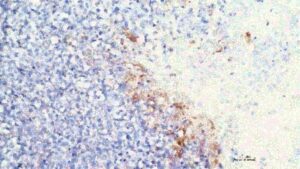
In a major step forward for cancer care, researchers at ChristianaCare’s Gene Editing Institute have shown that disabling the NRF2 gene with CRISPR technology can reverse chemotherapy resistance in lung cancer. The approach restores drug sensitivity and slows tumor growth. The findings are published in the journal Molecular Therapy Oncology.

Read More »

Tabletop blast device brings traumatic brain injury research to the lab bench

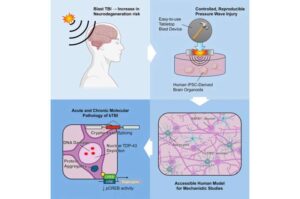
Four University of Rhode Island researchers have developed and tested a cost-effective, easy-to-use tabletop device that can generate pressure waves, mimicking the impact of blasts that can cause neurodegeneration. Their study was recently published in the journal Cell Reports Methods. The results will help URI’s Claudia Fallini and Riccardo Sirtori better study the development and progression of neurodegenerative diseases in their lab.

Read More »

Nonsurgical treatment shows promise for targeted seizure control

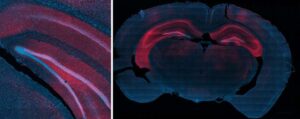
Rice University bioengineers have demonstrated a nonsurgical way to quiet a seizure-relevant brain circuit in an animal model. The team used low-intensity focused ultrasound to briefly open the blood-brain barrier (BBB) in the hippocampus, delivered an engineered gene therapy only to that region and later flipped an on-demand “dimmer switch” with an oral drug.

Read More »

Stem cells derived from fatty tissue successfully repair spinal fractures in rats

An Osaka Metropolitan University team has used stem cells extracted from adipose, the body’s fatty tissue, to treat spine fractures in rats similar to those caused by osteoporosis in humans. These cells offer the advantages of being easy to collect, even from elderly individuals, and causing little stress to the body, suggesting a noninvasive way of treating bone diseases.

Read More »