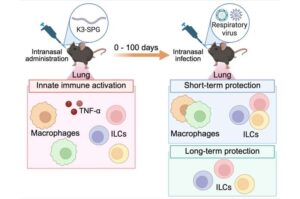
Nasal vaccine additive improves flu survival in mice even 100 days after treatment
Could the body’s natural defenses be temporarily strengthened without knowing which virus will emerge?

Could the body’s natural defenses be temporarily strengthened without knowing which virus will emerge?

Two people infected with the same strain of COVID-19 can have vastly different experiences. One might never even sniffle, and the other might end up on a ventilator. But why?

A team of hearing specialists at Vanderbilt Health analyzed thousands of data samples in the institution’s BioVU biobank to understand genetic susceptibility of sensorineural hearing loss, which is caused by damage to the inner ear. Their study is published in JAMA Otolaryngology-Head & Neck Surgery.
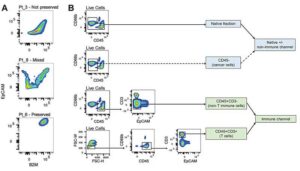
In a study published in Science Immunology, researchers used malignant ascites—fluid that accumulates in the abdomen of some patients when cancer metastasizes to the abdominal cavity—to uncover immune programs associated with metastatic disease, including a rare population of RORC-expressing dendritic cells not previously linked to human cancer.
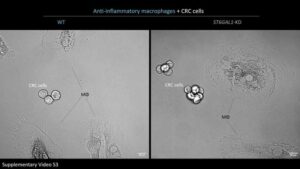
Our bodies contain immune cells called macrophages. Normally, these cells attack and suppress bacteria and cancer cells. However, when macrophages infiltrate tumors, they can become tumor-associated macrophages (TAMs) and can switch to an immunosuppressive, anti-inflammatory state.

SEATTLE and SAN DIEGO, Oct. 8, 2026 /PRNewswire/ — Monod Bio and BPS Bioscience today announced a non-exclusive licensing agreement covering Monod Bio’s LuxSit Pro de novo luciferase and NovoBody binding proteins. BPS plans to integrate the technologies into the development of innovative research products and services for drug discovery and life science applications.
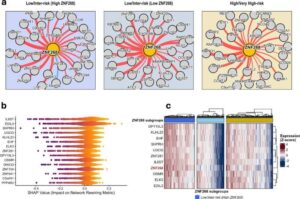
A new study revealed molecular features linked to more aggressive prostate cancer in a subset of patients who had been classified as low risk, highlighting biological differences that may not be apparent from clinical measures alone. The results could lead to new therapeutic strategies.
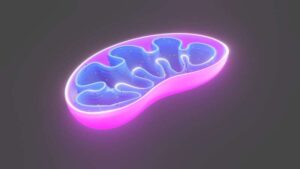
Researchers have carried out the first single-cell analysis of mitochondrial DNA in a population of brainstem neurons that are particularly vulnerable to degeneration in Parkinson’s disease.
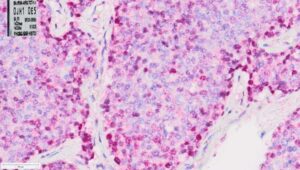
Researchers at Fred Hutch Cancer Center have identified a previously overlooked molecular regulator that helps determine whether prostate tumors remain sensitive to treatment or evolve into a more aggressive, drug-resistant form of the disease.

A simple urine test devised by researchers at Stanford Medicine and the VA Palo Alto Health Care System can diagnose bladder cancer more accurately than current standard methods. The test also allows physicians not only to assess the cancer’s response to treatment but also to predict whether immunotherapy or chemotherapy is likely to be most effective for each patient.