
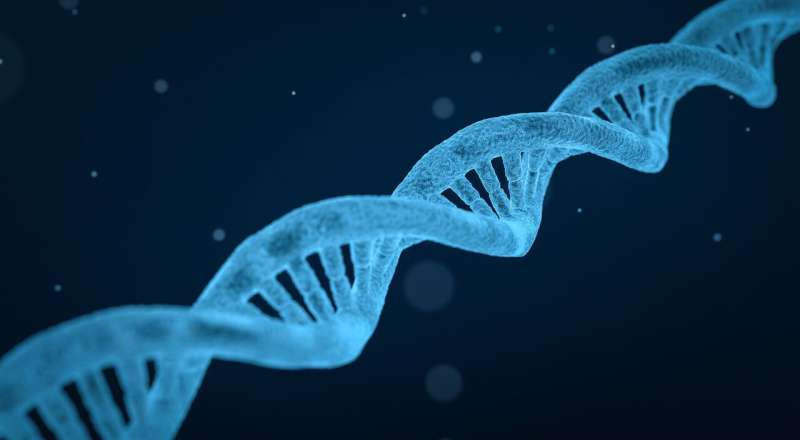
In a study published in the journal Science Advances, the study team demonstrate that this platform could reveal disease-causing genetic variants and provide molecular diagnoses for previously undiagnosed patients, including five individuals whose conditions had remained unresolved after standard testing.
Limits of current genetic testing
Exome and genome sequencing are widely used methods for identifying genetic variants responsible for rare diseases. However, these approaches have a diagnostic yield of only 20% to 50%, meaning that more than half of patients with suspected rare diseases are unable to obtain a molecular diagnosis.