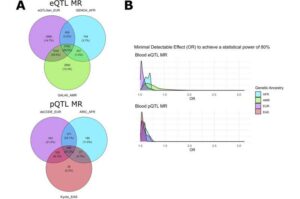
Big data make hidden genetic drivers of type 2 diabetes visible
Numerous genetic studies have identified many risk variants for type 2 diabetes (T2D)—but which genes and proteins are actually involved in the disease mechanisms?

Numerous genetic studies have identified many risk variants for type 2 diabetes (T2D)—but which genes and proteins are actually involved in the disease mechanisms?
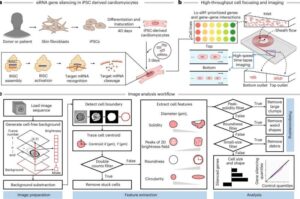
Euan Ashley’s lab explores the intricate interactions of gene variants. Tiny “typos,” or genetic mutations, can sneak into segments of DNA. Many of these are harmless, but some can cause health problems. Two or more genes can team up and change the outcome of a physical or molecular trait. This phenomenon, known as epistasis, occurs through complex interactions between genes that are functionally related—such as those that support protein creation.
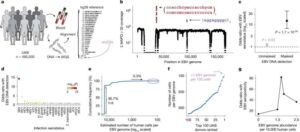
Baylor College of Medicine researchers are part of a collaborative research group with AstraZeneca and Memorial Sloan Kettering Cancer Center that have identified 22 genes which increase the risk of developing a range of chronic conditions following a common viral infection.

Gene-editing tools like CRISPR have unlocked new treatments for previously uncurable diseases. Now, researchers at the University of British Columbia are extending those possibilities to the skin for the first time.
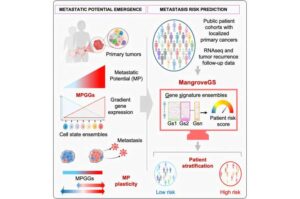
Why do some tumors spread while others remain localized? The mechanisms governing the metastatic potential of tumor cells remain largely unknown—yet understanding this is crucial for optimizing patient care.
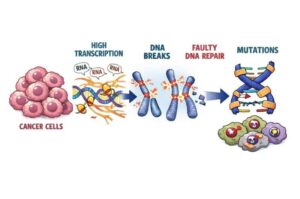
A new study shows that cancer damages its own DNA by pushing key genes to work too hard. Researchers found that the most powerful genetic “on switches” in cancer cells, called super-enhancers, drive unusually intense gene activity. That high gear creates stress on the DNA and can cause dangerous breaks.
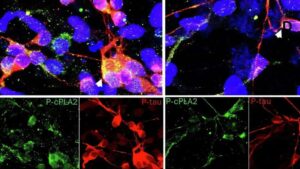
A multidisciplinary team has developed a selective compound that inhibits an enzyme tied to inflammation in people at genetic risk for Alzheimer’s, while preserving normal brain function and crossing the blood-brain barrier.

Shingles vaccination not only protects against the disease but may also contribute to slower biological aging in older adults, according to a new USC Leonard Davis School of Gerontology study.

In a new study, Chinese researchers have discovered the previously unrecognized role of alternative splicing of the DOC2A gene in schizophrenia.
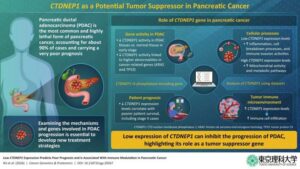
Pancreatic ductal adenocarcinoma (PDAC) is the most common type of pancreatic cancer and begins in the cells lining the pancreatic duct. Accounting for more than 90% of all pancreatic cancers, PDAC is extremely difficult to treat and has a very high mortality rate.