New brain-scanning method could help improve how anxiety is understood and diagnosed
A study by the University of Portsmouth in England has mapped the biological journey of anxiety in the brain when people are faced with a no-win situation.

A study by the University of Portsmouth in England has mapped the biological journey of anxiety in the brain when people are faced with a no-win situation.

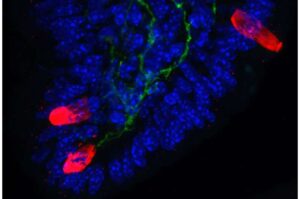
Researchers at Cincinnati Children’s Hospital Medical Center in collaboration with Roche, have developed a next-generation human liver organoid microarray platform that could help predict which drugs may cause harmful immune reactions in some people.

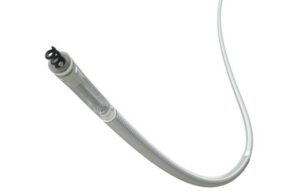
Researchers at NYU Abu Dhabi (NYUAD) have developed a new type of brain implant that can deliver drugs to multiple regions of the brain with high precision, offering fresh possibilities for the treatment of neurological disorders.
Wearable ultrasound devices are actively used in various medical settings, including hospital diagnostics, rehabilitation monitoring, and telemedicine. However, most commercial devices currently rely on lead (Pb)-based piezoelectric ceramics, which are harmful to the human body and the environment, making it difficult to ensure both performance and safety.

The blood-based biomarker test was developed in partnership with Eli Lilly and Company.

MSU’s Technology Transfer Office is facilitating the commercialisation process of the device.

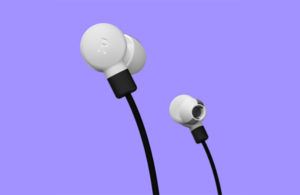
Researchers have improved the ability of wearable health devices to accurately detect when a patient is coughing, making it easier to monitor chronic health conditions and predict health risks such as asthma attacks. The advance is significant because cough-detection technologies have historically struggled to distinguish the sound of coughing from the sound of speech and nonverbal human noises.

The promoter editing system could be used to fine-tune gene therapy or to more efficiently reprogram cells for therapeutic use.

SHANGHAI, Oct. 11, 2025 /PRNewswire/ — Smartee Denti-Technology today announced the global launch of the Smartee Sleep Aligners, a clear aligner device designed to help manage obstructive sleep apnoea hypopnoea syndrome (OSAHS) and primary snoring (PS). The new series includes two versions: Smartee SA, which focuses on the treatment of OSAHS and PS, and Smartee SA Plus. The latter can treat OSAHS while simultaneously addressing orthodontic issues. Together, they provide clinicians with an invisible alternative to conventional OSAHS treatment therapies, offering greater comfort and compliance, and improving sleep quality.

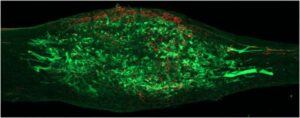
McGill University researchers have engineered a new hydrogel that shows early promise as a treatment for people with vocal cord injuries.