
AI could soon detect early voice box cancer from the sound of your voice
Researchers have shown in Frontiers in Digital Health that abnormalities of the vocal folds can be detected from the sound of the voice.

Researchers have shown in Frontiers in Digital Health that abnormalities of the vocal folds can be detected from the sound of the voice.
Late actor Christopher Reeve, best known for his role as Superman in the 1970s and ’80s, became an activist for spinal cord injury research after being paralyzed in a horseback-riding accident—making him a lifelong wheelchair user and on a ventilator.
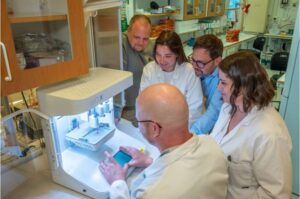
Researchers have created what could be called “skin in a syringe.” The gel containing live cells can be 3D printed into a skin transplant, as shown in a study conducted on mice.
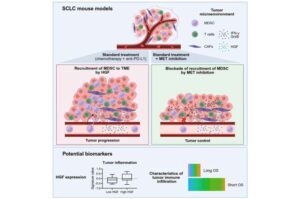
Adding a MET gene inhibitor enhances the effect of combined chemotherapy and immunotherapy in small cell lung cancer (SCLC), according to a multicenter study led by the Hospital del Mar Research Institute, in collaboration with researchers from the CIBERONC cancer research network.
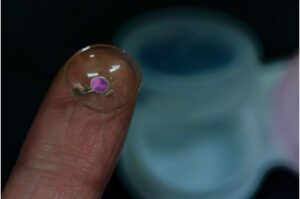
Electroretinography (ERG) is an ophthalmic diagnostic method used to determine whether the retina is functioning normally. It is widely employed for diagnosing hereditary retinal diseases or assessing retinal function decline.
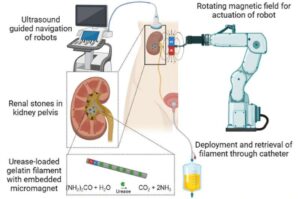
An international research team led by the University of Waterloo is developing technology to dissolve painful kidney stones in the urinary tract using tiny robots. The research is published in the journal Advanced Healthcare Materials.
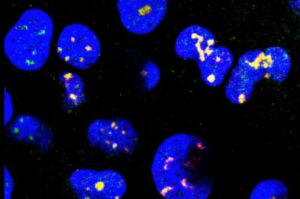
Targeting cellular structures called nuclear speckles could be a completely new approach for treating proteinopathies—diseases driven by abnormal accumulation of misfolded proteins—such as Alzheimer’s, Parkinson’s and prion diseases.
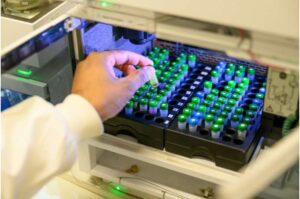
A cancer drug could enhance how patients respond to chemotherapy even in treatment-resistant tumors. The drug works by disarming a key defense mechanism that tumors use to protect themselves from treatment.
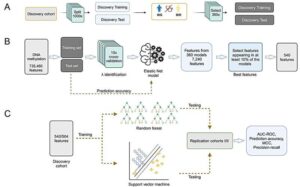
Researchers at the German Center for Diabetes Research (DZD) in Potsdam and Tübingen have discovered small chemical modifications to genetic material (epigenetic changes) in the blood that indicate how well the brain responds to insulin.

Researchers at Boston University Chobanian & Avedisian School of Medicine have built an artificial intelligence (AI) tool that can accurately predict key signs of Alzheimer’s disease.