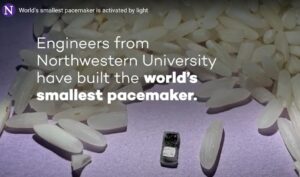
World’s smallest pacemaker is activated by light
Tiny device can be inserted with a syringe, then dissolves after it’s no longer needed

Tiny device can be inserted with a syringe, then dissolves after it’s no longer needed
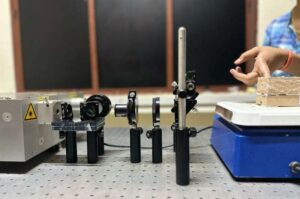
Blood glucose is usually measured using invasive methods involving pricking small needles into the skin. But people suffering from diabetes have to test their glucose levels many times a day. This repeated use of needles is inconvenient and can increase the risk of potential infections.
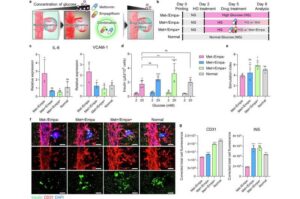
A research team has successfully developed an innovative platform for diabetes treatment using bioink derived from pancreatic tissue and 3D bioprinting technology. This study was recently published online in Nature Communications. The team was led by Professor Jinah Jang at Pohang University of Science and Technology (POSTECH), along with Myungji Kim, a Ph.D. candidate.
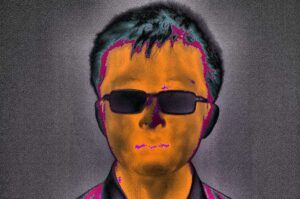
Biomedical engineers at Georgia Tech have developed a system for collecting and processing thermal images that allows for reliable, detailed measurement of vital signs such as respiration and heart rate or body temperature.
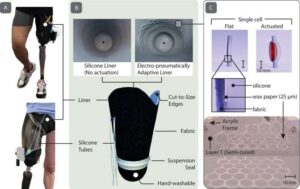
The latest advance in wearable robotic technology promises to solve a 200-year-old problem by revolutionizing the fit of prosthetic limbs, transforming the lives of millions of amputees worldwide.
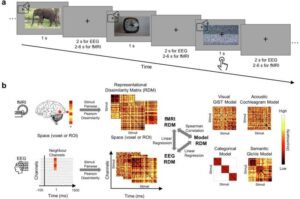
When a person’s hearing and vision are uncompromised and function at a relatively high level, the human brain is able to take in various sights and sounds from any environment and seamlessly allow said person to perceive what’s happening around them.
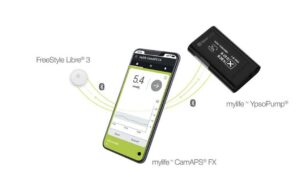
Ypsomed and CamDiab today announced the launch of the mylife CamAPS FX app for automated insulin delivery on iOS platforms.
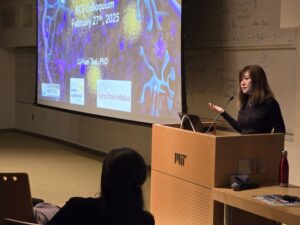
A decade of studies provide a growing evidence base that increasing the power of the brain’s gamma rhythms could help fight Alzheimer’s, and perhaps other neurological diseases.
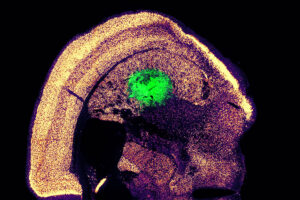
A new, highly efficient process for performing this conversion could make it easier to develop therapies for spinal cord injuries or diseases like ALS.
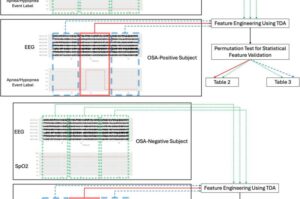
A researcher at Northeastern University has found a groundbreaking new way to diagnose people with sleep apnea that could open the door for mass screenings of a sleep disorder that affects millions of people.