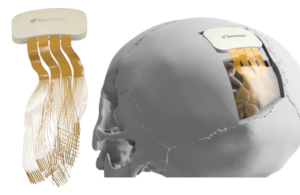
ReVision Implant wins FDA breakthrough nod for vision-restoring BCI
ReVision Implant announced today that it received FDA breakthrough device designation for its Occular visual cortical prosthesis.

ReVision Implant announced today that it received FDA breakthrough device designation for its Occular visual cortical prosthesis.
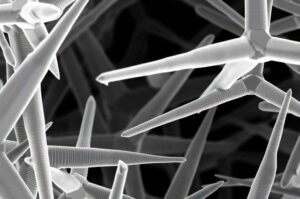
Researchers at Kiel University (CAU) have now developed a novel 3D material on which human brain cells can grow and exchange signals in the lab.
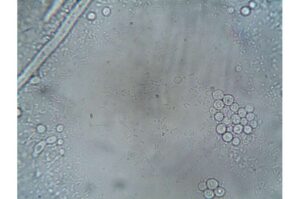
Cedars-Sinai investigators working to optimize a cell-based treatment for retinitis pigmentosa have uncovered how transplanted neural stem cells interact with host retinal cells to preserve vision.
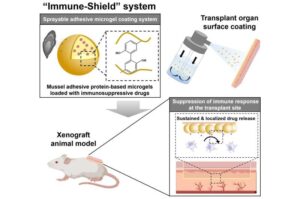
A new technology has been developed to suppress immune rejection, the biggest challenge in organ transplantation, without causing systemic side effects.
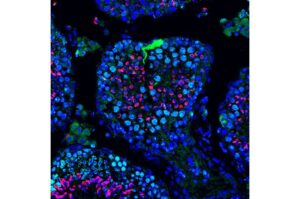
Researchers have found that targeted delivery of messenger RNA (mRNA) can restore sperm production and fertility in genetically infertile male mice.

Findings from a study led by researchers at The Ohio State University Comprehensive Cancer Center–Arthur G. James Cancer Hospital and Richard J. Solove Research Institute (OSUCCC–James) support the potential of new therapies that could improve clinical outcomes for patients with squamous and adenocarcinoma non-small cell lung cancers (NSCLC) that don’t respond to immunotherapy.
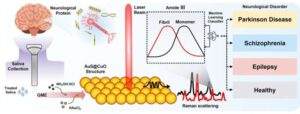
A team of Korean researchers has, for the first time, developed a technology capable of enabling early diagnosis of major neurological disorders including epilepsy, Parkinson’s disease, and schizophrenia using only a small amount of saliva
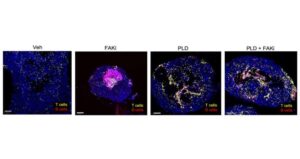
Scientists at Sanford Burnham Prebys and the University of California San Diego have published findings in Cell Reports demonstrating a treatment approach in mice that allowed more tumor-fighting cells to approach tumors.
Learn more about the advances in brain organoids and what this science could mean for the future.

Research reveals how cells may activate a compensation system that can reduce the effects of harmful genetic mutations. This could inform gene therapy development.