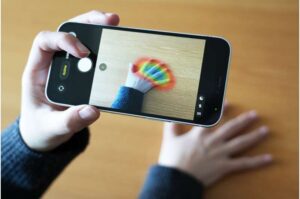
Skin stretching enables needle-free vaccine delivery in mice
Researchers show that stretching the skin stimulates immune cells and increases the skin’s ability to absorb large molecules, including those present in vaccines.

Researchers show that stretching the skin stimulates immune cells and increases the skin’s ability to absorb large molecules, including those present in vaccines.

Developed by Stanford researchers, NeuroString is a hair-thin multichannel biosensor and stimulator with promising potential applications in drug delivery, nerve stimulation, smart fabrics, and more.

Tulane University researchers have developed an enhanced CRISPR-based tuberculosis test that works with a simple tongue swab, a potential breakthrough that could allow easier, community-based screenings for the world’s deadliest infectious disease.

A powder based on morin, a natural compound extracted from plants such as guava leaves, apple and fig peels, certain teas, and almonds, has shown antimicrobial, anti-inflammatory, and antioxidant effects against bacteria that cause periodontal disease.

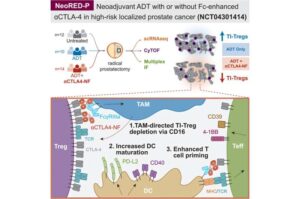
A newly developed molecule brings together two powerful immunotherapy strategies in one treatment. Researchers at the University of Basel and University Hospital Basel, Switzerland, have demonstrated that this fusion protein can both block the “do not attack” signal used by cancer cells and selectively activate tumor-fighting immune cells.

What if your smart watch could sense when you’re about to raid the fridge, and gently steer you toward a healthier choice instead?

Depression is one of the most common mental health challenges, but its early signs are often overlooked. It is often linked to reduced facial expressivity.

SMITHFIELD, R.I., Sept. 16, 2025 /PRNewswire/ — ALCOR Scientific today announced a breakthrough in erythrocyte sedimentation rate (ESR) testing that solves one of the most persistent challenges facing modern laboratories: limited blood sample stability.

A team of University of Saskatchewan (USask) researchers have identified a pathway to help the human body defend itself against sepsis—a life-threatening condition caused by the body’s inappropriate response to an infection.

In a new study, University of California, Irvine chemical and biomolecular engineering researchers report the creation of biomolecules that can help grow light-sensitive heart muscle cells in the laboratory. The development enables a biotechnology that could deliver light-triggered signals to the heart, improving its function, without requiring genetic modifications or invasive procedures.