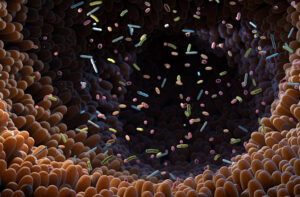
How a Chatty Ancient Protein in Our Gut Could Be Giving Us a Sixth Sense
https://www.discovermagazine.com/health/how-a-chatty-ancient-protein-in-our-gut-could-be-giving-us-a-sixth-sense

https://www.discovermagazine.com/health/how-a-chatty-ancient-protein-in-our-gut-could-be-giving-us-a-sixth-sense

The Global Neurodegeneration Proteomics Consortium (GNPC) has published a series of research papers detailing their efforts to identify patterns in neurodegenerative disease.
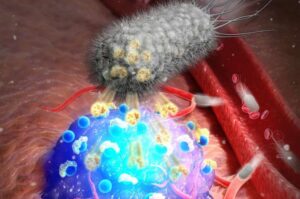
Accurate removal of tumors is the most critical aspect of cancer surgery, yet it remains a significant challenge in clinical practice. In breast cancer, for example, the positive margin rate—where cancer cells remain at the surgical boundary—can reach up to 35%, often requiring reoperation and increasing the risk of recurrence.
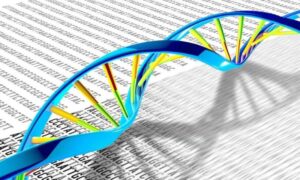
Tiny fat bubbles carrying gene therapy have successfully repaired DNA in the lungs and liver of animals with alpha-1 antitrypsin deficiency—a promising leap toward treating humans with this rare inherited disease.
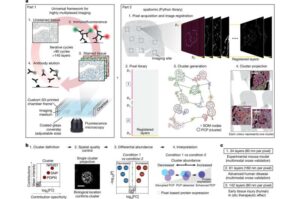
Researchers from Aarhus University—in a major international collaboration—have developed a groundbreaking method that can provide more information from the tissue samples doctors take from patients every day.
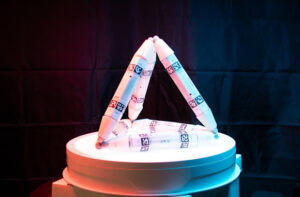
Learn how “robot metabolism” allows machines to take material from their surroundings to “grow” and to “heal.”
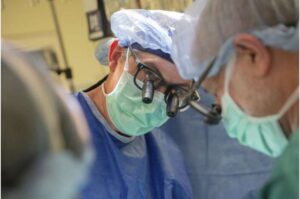
Two university hospitals are pioneering new ways to expand lifesaving heart transplants for adults and babies—advances that could help recover would-be heart donations that too often go unused.
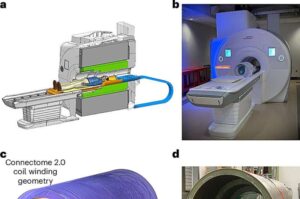
A scientific team supported in part by the National Institutes of Health (NIH) has developed a new, ultra-high-resolution brain imaging system that can reconstruct microscopic brain structures that are disrupted in neurological and neuropsychiatric brain disorders.

Duke Health has pioneered a world’s-first technique that could expand the donor pool for pediatric heart transplants in the U.S. by up to 20%—offering new hope to families on the waitlist.
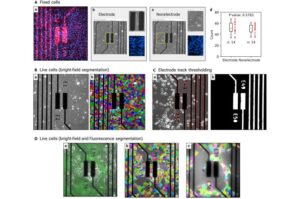
Sensome, the pioneer of microsensing technology for real-time, in situ tissue analysis, today announced the publication of a study in Science Advances unveiling an innovative methodology using its technology to noninvasively monitor cell spatiotemporal dynamics involved in cancer progression in a real-time and label-free manner, which can provide new insights for cancer diagnosis and treatment.