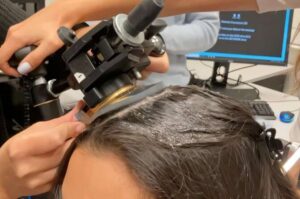
Targeted ultrasound may help the brain overcome fear more quickly
Meijer directed the sound waves at the amygdala, a small almond-shaped structure deep within the brain that determines how strongly emotional experiences are stored.

Meijer directed the sound waves at the amygdala, a small almond-shaped structure deep within the brain that determines how strongly emotional experiences are stored.
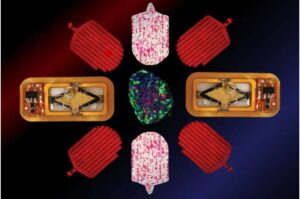
“Our goal is to find a way to give patients the benefit of cell therapy without the need for immune suppression.”

Inspire Medical (NYSE:INSP) announced today that it received expanded FDA approval for its Inspire IV and V neuromodulation systems.
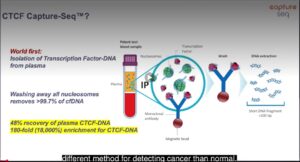
Blinded validation cohort achieves over 95% sensitivity for stage I & II cancers with 95% specificity
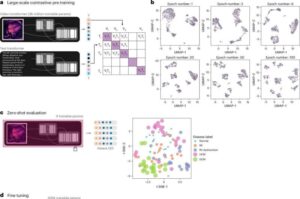
A Penn Medicine–led team has developed a first-of-its-kind artificial intelligence system that interprets cardiac MRI scans with performance approaching expert clinicians.

We have never had a model that accurately mimics both the key physical and functional properties in the esophagus or gastrointestinal tract.
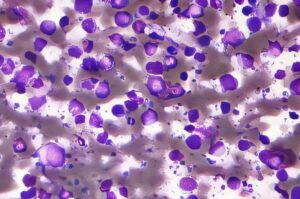
A new study in pet dogs treated with promising novel treatment regimens for the same cancer suggests that immune signatures found in blood samples could help identify poor responders early.

What we’ve built is essentially a light-powered interface that speaks in electrical and mechanical pulses, the same language as the heart, without any of the drawbacks of rigid electrodes

An MIT-led team is designing artificial intelligence systems for medical diagnosis that are more collaborative and forthcoming about uncertainty.

Pixee Medical announced today that it received CE mark approval for Knee+ NexSight, with the first cases already performed in Europe.