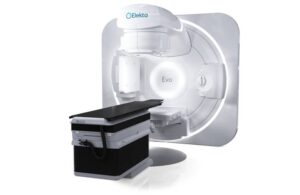
Elekta gets FDA nod for AI-powered linear accelerator for radiology
Elekta announced today that its Evo CT linear accelerator (linac) received FDA 510(k) clearance, making it available to U.S. radiation oncology professionals.

Elekta announced today that its Evo CT linear accelerator (linac) received FDA 510(k) clearance, making it available to U.S. radiation oncology professionals.

Of all the types of breast cancer, triple negative breast cancer (TNBC) is the most aggressive and lacks specific therapies. TNBC is also more likely to metastasize, or travel through the bloodstream to spread to other organs, which causes most of breast cancer-related deaths each year.
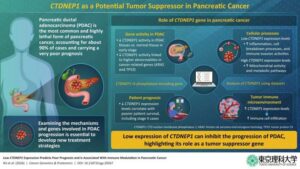
Pancreatic ductal adenocarcinoma (PDAC) is the most common type of pancreatic cancer and begins in the cells lining the pancreatic duct. Accounting for more than 90% of all pancreatic cancers, PDAC is extremely difficult to treat and has a very high mortality rate.

Chronic low back pain significantly affects quality of life for millions of people worldwide. Back pain makes it difficult to perform everyday tasks and is among the leading reasons why patients see their doctor.

Using participant skin cells reprogrammed into neurons, Weill Cornell Medicine researchers have identified genetic signatures associated with HIV infection that may contribute to the cognitive impairment that often occurs in people living with HIV, even when the virus is controlled.

Strokes are a medical emergency, yet imaging can capture only snapshots of how brain damage develops in the hours and days that follow. For many other organs, blood tests can indicate acute injury, but until now the brain has lacked a comparable marker. Researchers at LMU University Hospital and international partners report that a new blood biomarker, brain-derived tau (BD-tau), can track the extent of brain injury after ischemic stroke over time.
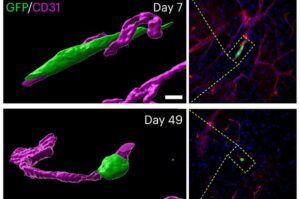
Cancer cells that have broken away from a primary tumor can lurk in the body for years in a dormant state, evading immune defenders and biding their time until conditions are ripe for establishing a new tumor elsewhere in the body, a process known as metastasis.

University of Texas at Dallas researchers, in partnership with Texas-based biotech company EnLiSense, have demonstrated a pioneering wearable perspiration-based sensor that measures two key hormones that regulate the body’s sleep-wake cycle.
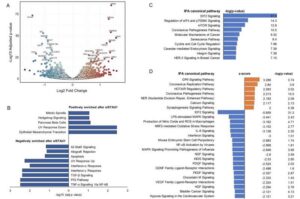
University of Utah researchers at the Pulst-Scoles Laboratory have discovered that reducing levels of the STAUFEN-1 protein can prevent neuron death caused by DNA damage and p53 activation in neurodegenerative diseases.
SEATTLE, Jan. 15, 2026 /PRNewswire/ — Proprio, the surgical technology company pioneering real-time, AI-powered intraoperative guidance and data-driven surgical workflows, today announced the U.S. Food and Drug Administration (FDA) has granted clearance for the “Picasso” feature. This marks the company’s fourth FDA-cleared capability within its Paradigm platform.