
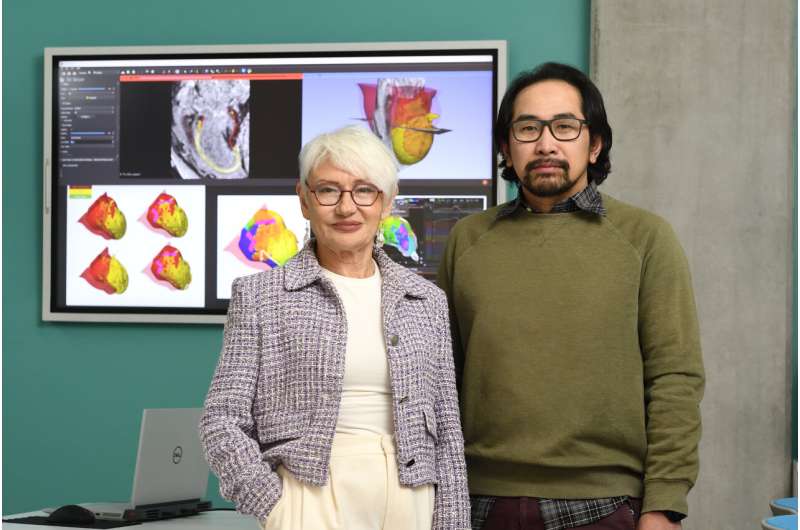
“For patients, digital twins can be life-changing and life-saving,” said first author Jonathan Chrispin, a cardiologist who specializes in treating arrhythmias. “We show we can make their procedures safer, shorter and more effective by targeting only the critical portions of the heart.”
Medical digital twins are computer models of organs that mimic an organ’s behavior and have predictive capabilities. The cardiac models were developed at Johns Hopkins.
The digital twin can help doctors diagnose and treat issues as well as predict a patient’s chances for complications based on their genetics and heart structure. The study, published in the New England Journal of Medicine, demonstrated the approach’s safety, feasibility, and promising outcomes.