
In a mouse model, a lab-grown mini blood vessel and artery tissue from patients with severe heart disease, these “triple-threat” cells outperformed a single-target version, clearing out more of the cell types that keep plaques active and dangerous.
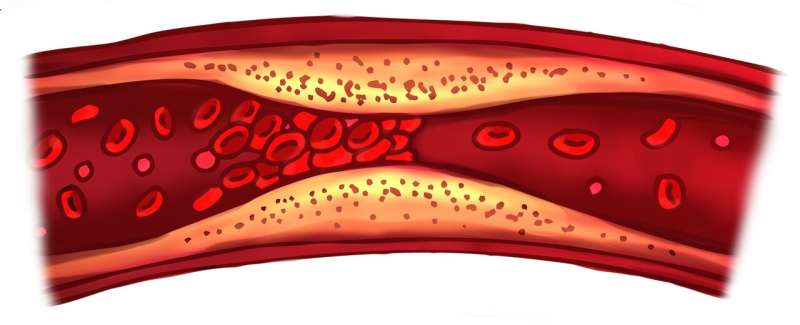
Atherosclerosis is the underlying driver of most cardiovascular disease, which continues to be the leading cause of death worldwide. It remains difficult to treat even with cholesterol-lowering and anti-inflammatory drugs, largely because plaques aren’t a uniform mass of fat but complex environments packed with different cell types that reinforce each other’s damage.