Blog

- September 22, 2026

Immune cells that may help sustain type 1 diabetes attack identified

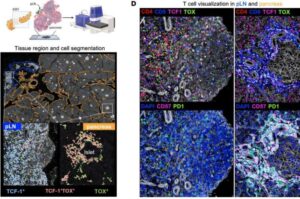
Type 1 diabetes isn’t an overnight attack against the body’s ability to make insulin. It can be a sustained campaign over years that relentlessly targets insulin-producing cells in the pancreas. Scientists have not fully understood why this autoimmune attack—when the body’s immune system mistakenly destroys its own healthy cells—persists so long rather than petering out.
Read More »

‘Plug-and-play’ CAR T technology adapts as cancer changes

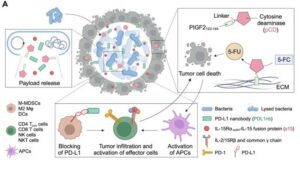
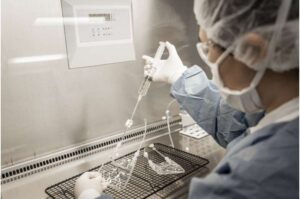
Researchers from City of Hope have developed a new “plug-and-play” technology that adds engineered molecules to chimeric antigen receptor (CAR) T cells after treatment, allowing scientists to better control the cells and redirect them to attack different types of cancer. Published in Cancer Immunology Research, the preclinical study offers a more flexible way to help CAR T cells keep pace with mutating tumors.

Read More »

Resivant Medical Receives U.S. Patent Protecting Novel Single-Lever, Single-Handed Applicator at the Core of the Cutiva™ PLUS Skin Closure System

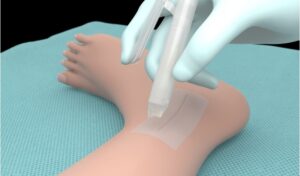
AKRON, Ohio, Sept. 22, 2026 /PRNewswire/ — Resivant Medical announced today that the U.S. Patent and Trademark Office has issued Patent No. 12,678,148, covering the novel single-lever, single-handed applicator design at the core of the Cutiva™ PLUS Skin Closure System. The patent protects the mechanism that allows clinicians to start, control, and stop the flow of adhesive using a single lever, without repositioning the hand or device.

Read More »

Pattern Bioscience Receives FDA Breakthrough Device Designation for Urine ID/AST Panel

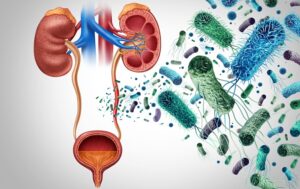
Pattern Bioscience, an Austin, Texas-based innovator in rapid diagnostic technologies for bacterial infections, has announced that the U.S. Food and Drug Administration (FDA) has granted Breakthrough Device Designation for its Urine ID/AST Panel. The panel is the company’s second assay to receive the designation, following the Pneumonia ID/AST Panel, reflecting Pattern’s continued focus on expanding a menu of rapid, direct-from-specimen assays.

Read More »