
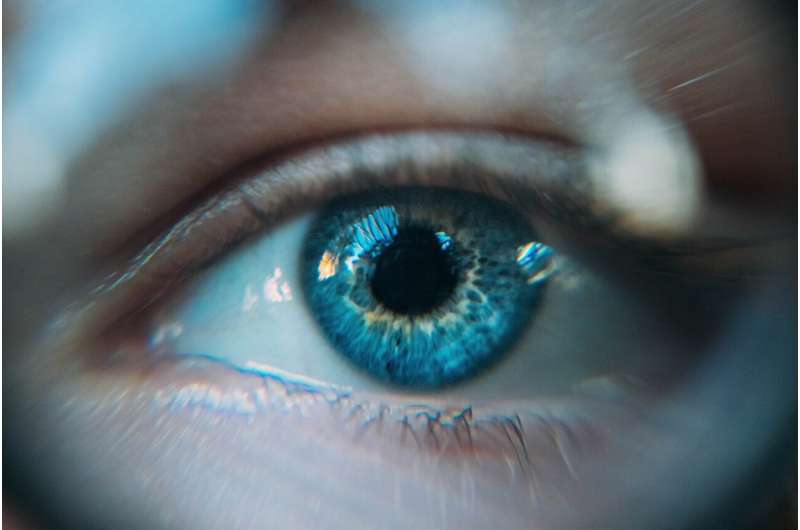
A report on the experiments with animals, stem cells and donated eye tissue was published in Science Translational Medicine. It suggests that altering or removing a thin layer of tissue called the internal limiting membrane, which separates the light-sensing retinal tissue at the back of the eye from the gel-like vitreous fluid that fills the eye, could help transplanted retinal ganglion cells (RGCs) survive and grow in people with blinding optic nerve damage.
Such damage, also known as optic neuropathy, occurs when retinal ganglion cells die of disease, inflammation or injury and stop carrying electrical signals to the brain. Common causes of damage include glaucoma, optic nerve inflammation (optic neuritis) and ischemic optic neuropathy (sudden loss of blood flow to the optic nerve).