
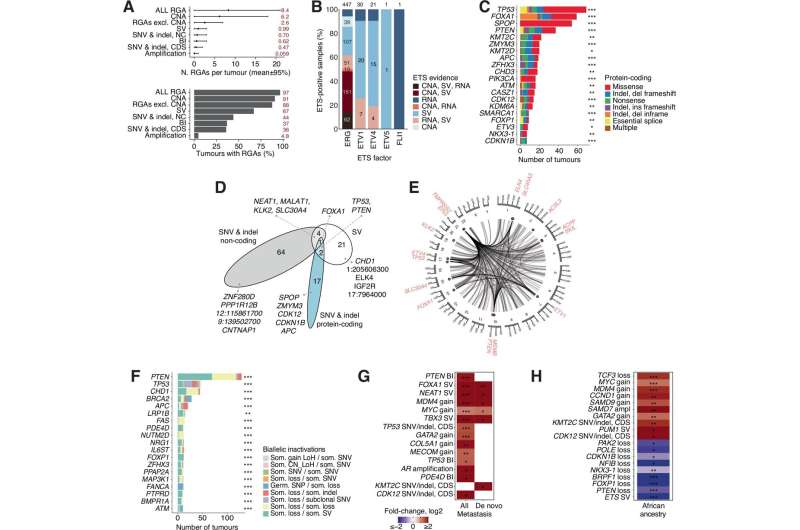
They built a comprehensive catalog of genetic alterations that may drive prostate cancer, including alterations associated with metastatic disease. The study also uncovered previously unknown genetic alterations that may drive cancer and four genomic subtypes associated with different clinical outcomes.
“Previous studies have largely focused on mutations in known cancer genes, but many important changes occur elsewhere in the genome,” says Dr. Jüri Reimand, senior principal investigator at OICR, associate professor at the University of Toronto and one of the senior authors of the study.