
Understanding How mRNA Vaccines Break Down in the Body May One Day Help Fight Cancer
Learn how mRNA and its lipid packaging change in the bloodstream, offering insights that could help researchers design better vaccines and future cancer therapies.

Learn how mRNA and its lipid packaging change in the bloodstream, offering insights that could help researchers design better vaccines and future cancer therapies.

Sequel Med Tech obtained an FDA clearance opening up its twiist automated insulin delivery system to adults with type 2 diabetes.

An AI system trained on photographs of the face and tongue correctly identified every patient with coronary heart disease (CHD) in a small test, according to a new study from China.
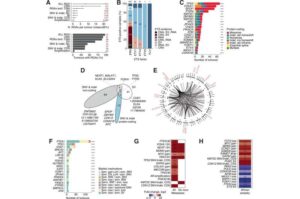
Why do some prostate cancers grow slowly for years, while others progress quickly to life-threatening metastatic disease? An international team of researchers co-led by the Ontario Institute for Cancer Research (OICR) and the University of Copenhagen has uncovered new clues in the genomes of prostate cancers.
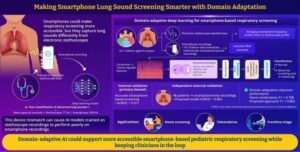
Respiratory disease in children is a major global concern. Clinicians traditionally rely on stethoscopes to detect abnormal lung sounds, but access to auscultation can be limited by the need for in-person visits.
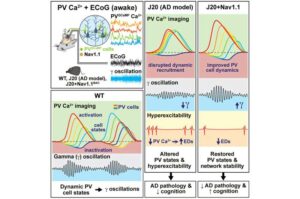
Researchers were able to restore the function of neurons linked to cognitive function and information processing in mice that mimic key features of Alzheimer’s disease, showing early promise for the development of a similar targeted therapy in humans. The findings are published in Neuron.

For patients battling neurodegenerative diseases like ALS, Parkinson’s, Alzheimer’s and other dementias, delivering disease-fighting antibody drugs directly to the brain has proven to be a difficult task. Our bodies set up tight walls to prevent infections from spreading to the brain, where they often become fatal.
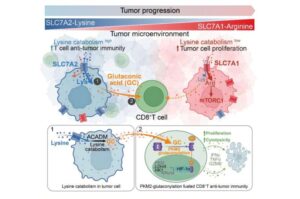
Tumors possess myriad mechanisms to ensure their survival even at the peril of the host. Now scientists are delving deeper into how cancer cells alter the metabolism of specific amino acids to support the malignancy’s growth while simultaneously evading the antitumor activity of the host’s immune system.

ATLANTA, Oct. 20, 2026 /PRNewswire/ — UCB (Euronext Brussels: UCB), a global biopharmaceutical company, today announced that the U.S. Food and Drug Administration (FDA) has approved the first self-administered once-daily autoinjector administration option for the treatment of generalized myasthenia gravis (gMG) in adult patients who are anti-acetylcholine receptor (AChR) antibody positive with ZILBRYSQ® (zilucoplan).¹ The autoinjector is designed to help simplify self-administration of ZILBRYSQ, offering patients another administration option and a more convenient treatment experience.2,3