
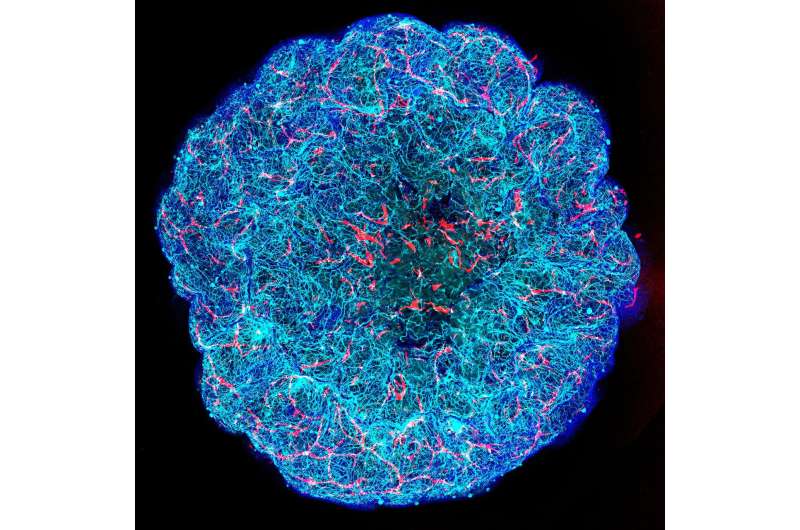
Alzheimer’s disease is a progressive brain disorder that gradually impairs memory, thinking and behavior. It affects more than 7 million older adults in the United States. Scientists have long known that the brain’s blood vessels deteriorate during the disease, particularly in people with APOE4, but the underlying mechanisms have remained unclear.
As a result, cerebrovascular damage has often been viewed as a downstream consequence of Alzheimer’s disease rather than a process that actively contributes to disease progression.