
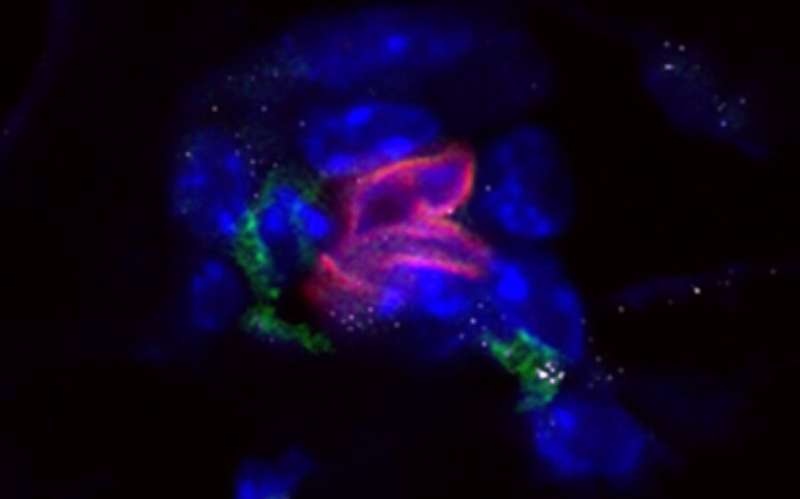
“Cancer cells that have moved to another part of the body can stay dormant for years after the original tumor has been treated,” explains Crick group leader Ilaria Malanchi, who leads a lab studying how cancer cells interact with the rest of the body. “It’s a worrying period for people, as they don’t know if these metastatic cells will reactivate, leading to a relapse.”
Breast cancer cells often spread to the bone marrow, where they can lie dormant for years within the tissue that normally supports the production of new blood cells. These disseminated cancer cells enter a “sleeping” state, which helps them evade the immune system and resist chemotherapy. What causes them to “wake up” is not only a key issue in cancer biology but also a huge challenge to study.