
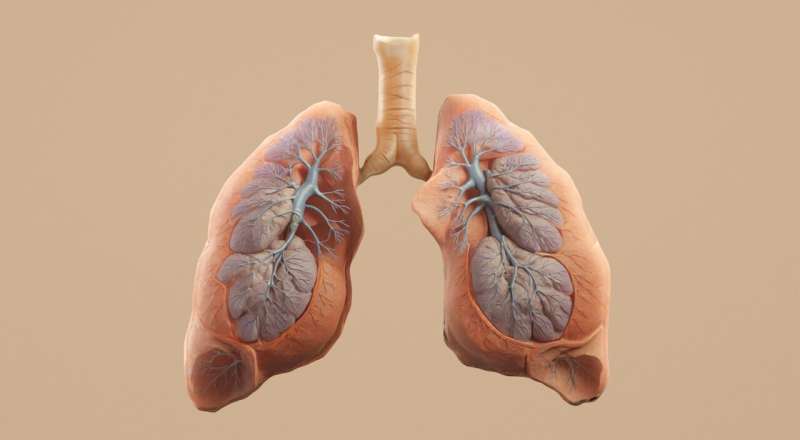
Now, researchers at Tulane University have developed a new diagnostic platform that can identify the precise species of bacteria causing a patient’s infection in just a few hours—a dramatic improvement over the current standard, which can take four to six weeks.
“Diagnosing NTM lung disease is very slow, and patients are left with a significant physical and emotional burden because they don’t know the answer or what the treatment plan should be,” said lead investigator Bo Ning, assistant professor of molecular biology at Tulane University School of Medicine. “Clinicians need a faster test that will allow them to accurately identify the specific type of bacteria that is causing the patient’s lung disease.”