Blog

- September 16, 2026

Aptitude Announces FDA 510(k) Clearance of Next-Generation Metrix® COVID Test

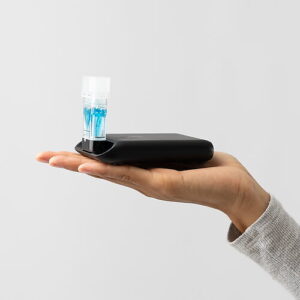
GOLETA, Calif., Sept. 16, 2026 /PRNewswire/ — Aptitude today announced that the U.S. Food and Drug Administration (FDA) has granted 510(k) clearance for the next-generation Metrix® COVID Test, marking the company’s first FDA 510(k) clearance and the continued expansion of the Metrix molecular diagnostics platform. Development was supported by the Biomedical Advanced Research and Development Authority (BARDA).

Read More »

CAAR T-cell therapy offers a more targeted route for neurological autoimmune diseases

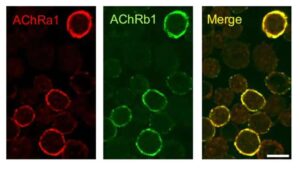
Researchers at DZNE and Charité—Universitätsmedizin Berlin are working on a targeted therapy for neurological autoimmune diseases. So far, they have successfully tested their approach in mouse studies involving two such conditions. Their concept is based on deliberately modified immune cells, so-called CAAR T cells, designed to eliminate only the immune cells responsible for causing disease.

Read More »

Cancer drug pushes mutant blood stem cells to become short-lived immune cells

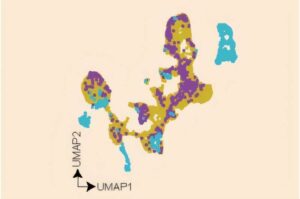
The biologic drug interferon-alpha can benefit patients with blood cancers called myeloproliferative neoplasms by forcing mutant blood stem cells to become shorter-lived white blood cells, according to a study by Weill Cornell Medicine investigators. Because the broad activity of interferon-alpha can induce significant side effects, developing more focused strategies based on these mechanistic findings could meet an important need in cancer therapy.

Read More »

Simple urine test could guide kidney-protective treatment choices in type 2 diabetes

Type 2 diabetes increases the risk of chronic kidney disease, making prevention of kidney failure a key part of treatment. Newer diabetes medications, including GLP-1s and SGLT2 inhibitors, can reduce the risk of kidney disease, but previous studies have included large proportions of patients who already had signs of kidney damage, making it unclear whether the findings applied to patients without kidney damage.

Read More »