
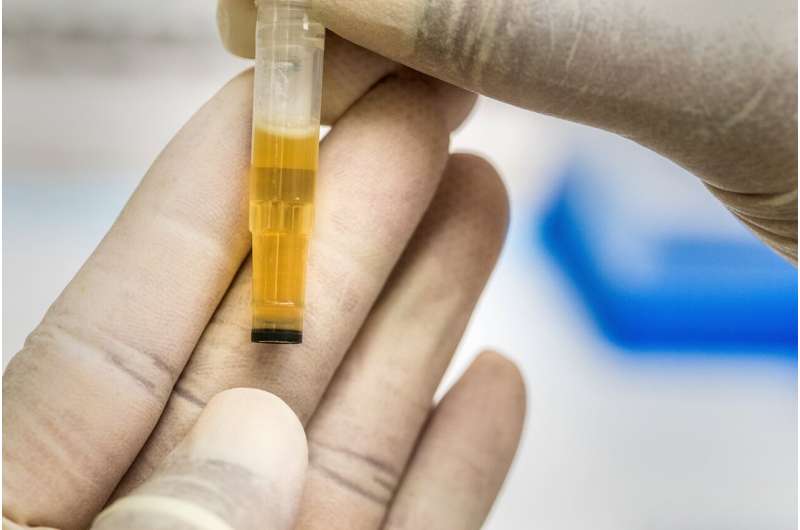
A new study led by Mass General Brigham researchers found that GLP-1 agonists and SGLT2 inhibitors reduced the risk of kidney deterioration in patients with diabetes who had protein in their urine, a sign of kidney damage, before treatment. However, the researchers found little evidence of kidney benefit among patients without protein in their urine. They also showed that sulfonylureas, an older class of diabetes medication, led to faster declines in kidney function in patients with diabetes who didn’t have protein in their urine. Results are published in the BMJ.
“Our study shows that we need to tailor diabetes treatment to the individual patient instead of using a one-size-fits-all approach,” said corresponding author Alexander Turchin, MD, MS, of the Division of Endocrinology in the Mass General Brigham Department of Medicine. “A simple urine test could help doctors assess whether a patient may receive kidney protection from GLP-1 receptor agonists or SGLT2 inhibitors and whether sulfonylureas could pose additional risk.”