
Many people with diabetes today use continuous glucose monitors (CGMs) to keep track of their glucose levels. Those devices still have a small, minimally invasive interstitial needle inserted into the body when applied and don’t exceed a wear time of 15 days. Some people with diabetes still use the traditional fingerstick method, requiring them to draw blood from their fingers several times per day to check their glucose.
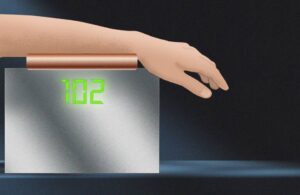
Using Raman spectroscopy, the MIT team may have found an alternative. This technique reveals the chemical composition of tissues by shining near-infrared or visible light. The team centered its shoebox-sized device around this method to measure blood glucose levels without any needles.