
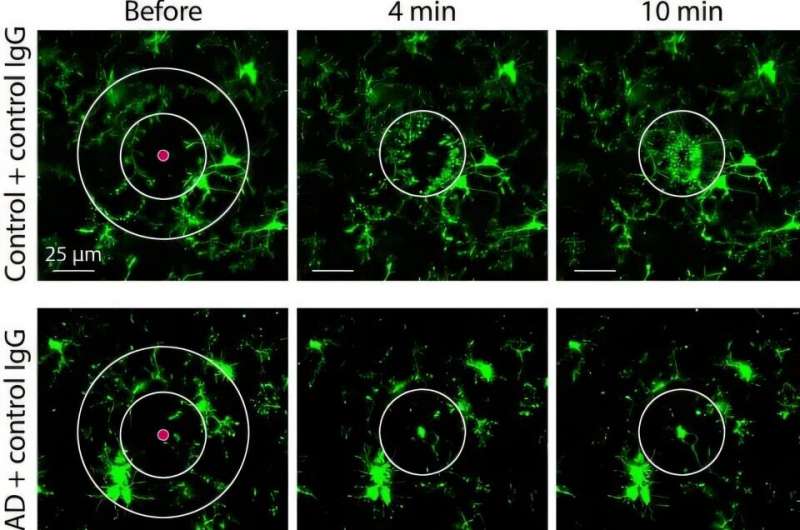
The findings provide scientific evidence supporting brain immune modulation as a potential therapeutic strategy for Alzheimer’s disease, a major neurodegenerative disorder. The study was published in the journal Science Advances.
Alzheimer’s disease is characterized not only by the accumulation of harmful protein deposits in the brain but also by dysfunction of cells that help maintain and protect the brain environment. In particular, microglia, the brain’s resident immune cells, rapidly respond to tissue damage and help maintain the surrounding environment.