
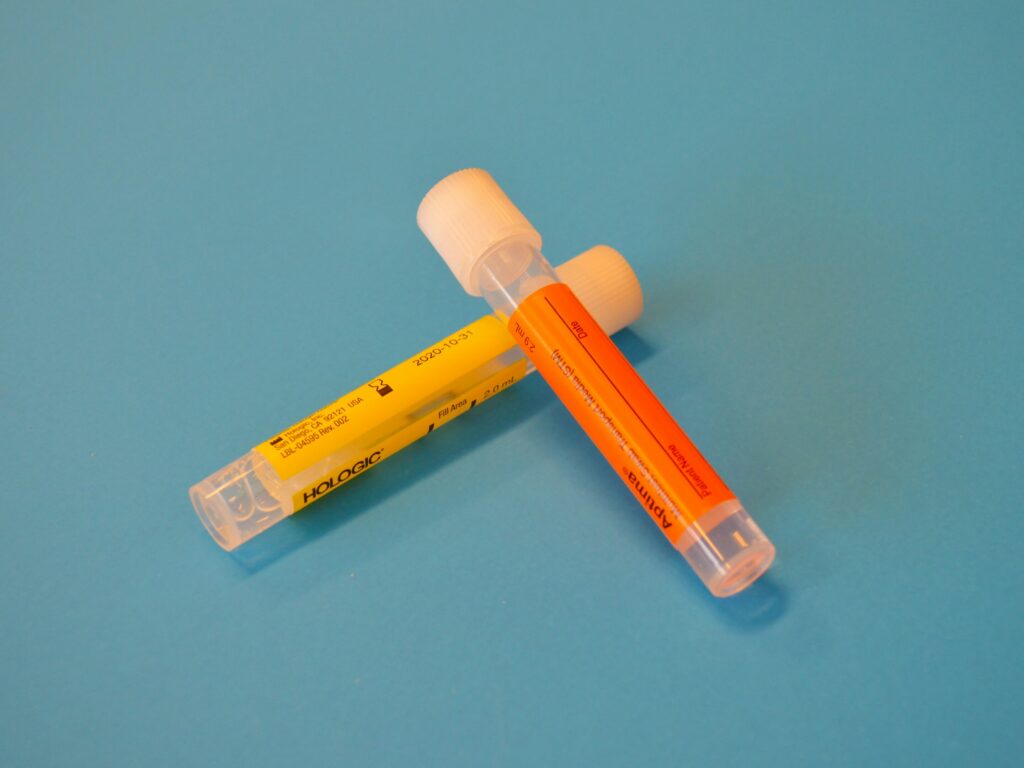
The test is unique in that it measures RNA messages shed by tumor cells into urine, rather than hunting for cancer-related mutations in DNA as most blood and urine liquid biopsies do. Because RNA reflects which genes a cancer cell is actively using, it captures a tumor’s behavior in addition to its presence.
“Measuring tumor DNA in urine can tell us whether a cancer is present,” said Maximilian Diehn, M.D., Ph.D., the Jack, Lulu and Sam Willson Professor and a professor of radiation oncology. “Analyzing RNA can tell us not only whether a cancer is present—but also what it’s doing.”