
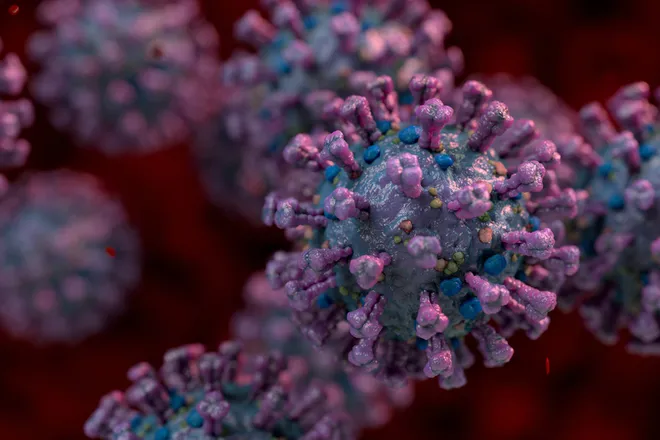
When the COVID-19 pandemic started in 2020, leading to the largest, fastest, and most successful global development of a vaccine, researchers focused on the surface spike protein of SARS-CoV-2. This protein allows the virus to enter human cells, and because it sticks out all over the virus’s outer shell, it makes the perfect target for a vaccine.
But the spike protein isn’t the only one that helps maintain the virus’s function. By taking a closer look at the previously unrecognized role of the SARS-CoV-2 nucleocapsid protein, researchers from the University of California, Los Angeles (UCLA) found that it can hyperactivate the immune system in ways that may explain severe cases of COVID-19.
In their study, published in Science Advances, they compared SARS-CoV-2’s version of the nucleocapsid protein to those of other coronaviruses, like SARS and MERS, hoping to understand how to better tackle future virus outbreaks.