
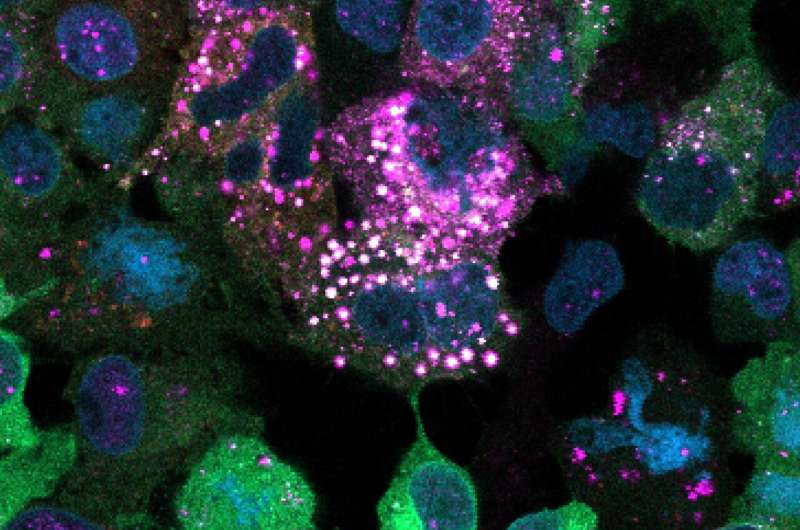
Published in Nature, the study is the first to uncover a potential therapeutic process that could be used to directly reduce the amount of sugar stored in the body. The paper is titled “Ubiquitination of glycogen and metabolites in cells and tissues.”
The findings could have clinical implications for people living with conditions caused by excessive sugar levels, including diabetes, heart disease, and a set of rare disorders that currently have no treatment options.
When we eat foods containing sugar, our bodies convert the excess into glycogen, where it is mainly stored in the liver and muscles. For centuries, scientists have studied glycogen metabolism: a well-defined pathway taught to every biology and medical student across generations.