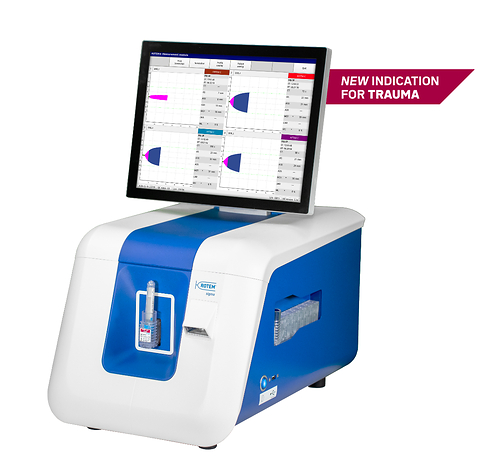
Traumatic injury is responsible for approximately 10% of deaths worldwide, and uncontrolled bleeding remains one of the leading causes of potentially preventable death following severe trauma.1–3 Trauma-induced coagulopathy presents an additional challenge, requiring rapid assessment and timely intervention to support patient management.4 Early evaluation of coagulation status is critical in these time-sensitive situations, and current trauma management guidelines recommend viscoelastic testing as part of a goal-directed approach to bleeding management and coagulation support.5–7
