
New pill combo approved for breast cancer that stops responding to hormone therapy
People with advanced breast cancer that has stopped responding to hormone therapy now have a new pill-based treatment option.

People with advanced breast cancer that has stopped responding to hormone therapy now have a new pill-based treatment option.
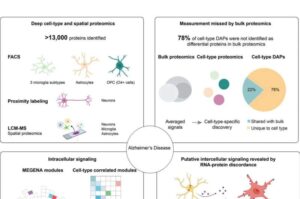
Alzheimer’s disease can affect almost the entire brain, but how different cell types are specifically affected is not fully understood. To address this gap, St. Jude Children’s Research Hospital scientists developed a cell type–specific protein atlas using brains from mouse models of Alzheimer’s disease. By combining and comparing multiple types of data, they identified more than 3,000 proteins with altered levels across a range of cell types, 78% of which had not been captured before.
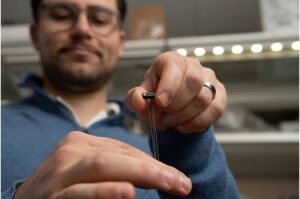
Traumatic muscle injuries, whether from battlefield wounds, gunshots, surgical resections, or major open fractures, can cause volumetric muscle loss (VML), the loss of so much tissue that the muscle cannot regenerate on its own.
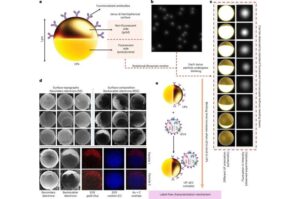
A new diagnostic platform is able to screen for and identify four different diseases—colorectal cancer, glioblastoma, pancreatic cancer and Alzheimer’s disease—with a small amount of blood in an hour.

A blood biomarker for Alzheimer’s disease may help estimate a cognitively healthy person’s risk of developing mild cognitive impairment or dementia over the next five or 10 years, according to a new Mayo Clinic study in JAMA Neurology.
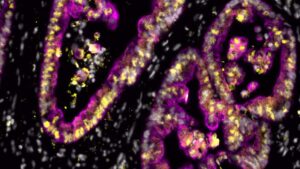
Researchers from The University of Texas MD Anderson Cancer Center have discovered that the IL-18 inflammatory protein helps pancreatic tumors grow and evade the immune system, highlighting its potential as a therapeutic target for pancreatic cancer.