
Bat coronavirus reveals a new way into human cells, widening the map of future spillover risks
An international team of researchers has identified an East African bat coronavirus capable of entering human cells.

An international team of researchers has identified an East African bat coronavirus capable of entering human cells.
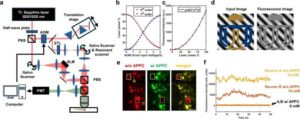
Functioning as a smart dimmer, it can selectively adjust the brightness of every pixel during laser scanning, and prevent unintended neural activation, thereby significantly enhancing the precision of all-optical brain manipulation and imaging.
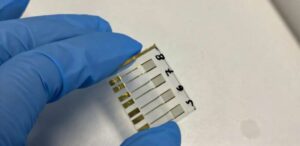
Brazilian researchers have developed an electrochemical sensor that can detect pancreatic cancer in its early stages.

Researchers from Boston University’s Chobanian & Avedisian School of Medicine, College of Arts & Sciences, College of Engineering and Faculty of Computing & Data Sciences have developed a tool called PhysMAP to separate the “voices” of individual cell types within a crowd of electrical noise by combining several complementary features of each type’s electrical signature.

Combining microchip engineering techniques with cutting-edge gene profiling, scientists at Columbia University have developed a new way to study drug responses in living slices of human brain tumor cells.

A new noninvasive neurostimulation technique capable of reaching deep regions of the brain has been used to elucidate the brain’s pain mechanisms, with promising clinical applications in neurology and psychiatry.
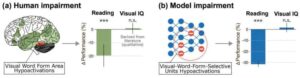
For the first time, researchers have used an advanced AI model that understands both images and language, allowing them to model dyslexia, paving the way for potential new treatments.

The newly approved HIV drug Idvynso will also help Merck diversify as loss of exclusivity looms over its top-selling product, the mega-blockbuster cancer drug Keytruda.

In the U.S., Moderna withdrew its approval application for the combination vaccine in May last year and the timeline for resubmission remains uncertain.

The ArteraAI prostate biopsy assay predicts the risk of prostate cancer progression.