
CergenX achieves CE Mark for pioneering AI technology designed to transform newborn brain assessment
Irish medtech company reaches major regulatory milestone for AI-powered technology providing rapid, objective insights into newborn brain activity

Irish medtech company reaches major regulatory milestone for AI-powered technology providing rapid, objective insights into newborn brain activity

Newly Issued Patent Covers Methods of Promoting Disc Regeneration Using Components Derived from Stimulated Fibroblasts

Data from more than 17,000 people linked higher blood levels of xylitol to an increased risk of death, heart attack, and stroke over the long term.
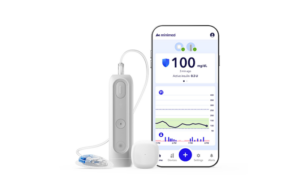
MiniMed (Nasdaq: MMED) today reported Street-beating first-quarter revenue, upping its full-year sales guidance as it notched an early European regulatory win.
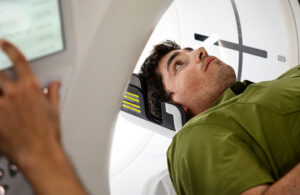
GE HealthCare announced it has received the CE Mark for its Photonova Spectra system, a photon-counting computed tomography (PCCT) system integrated with the company’s Deep Silicon detector technology.
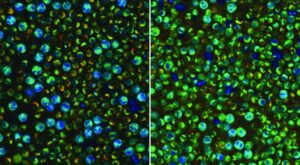
From a standard blood draw, a clinical lab isolates peripheral blood mononuclear cells (PBMCs), which are predominantly immune cells, and then counts the abundance of different cell types, along with some basic measures of how they’re functioning.
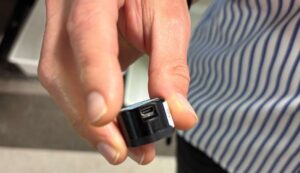
Researchers developed a method for placing microscopic sensor particles within the printed material itself, allowing researchers to measure nutrient levels—and infer cell health from this information—using only light.

Researchers from the Atopy (Allergy) Research Center of the Juntendo University Graduate School of Medicine in Japan, led by Prof. François Niyonsaba, along with co-authors Quan Sun and Ge Peng, explored the relationship between melanoma cells and keratinocytes, the most abundant cells in the skin that surround melanoma cells.

Researchers have evaluated a novel smart wheeled walker designed to enhance mobility and safety for aging populations. Published in JMIR Aging, the randomized crossover trial revealed that the smart wheeled walker significantly improved walking speed, reduced exertion and boosted dynamic balance compared with a traditional 4-wheeled rollator.
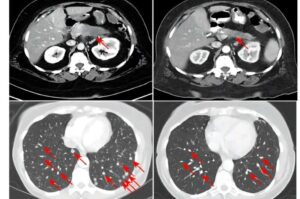
When added to standard chemotherapy, a clinical version of the dietary supplement L-glutamine improved survival in an early-phase trial of patients with advanced pancreatic cancer. The study, led by Cedars-Sinai Health Sciences University investigators, was published in Nature Cancer.