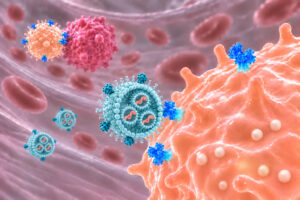
Reprogrammed NK immune cells target cancer and autoimmune disorders
A new approach can program these cells inside the body and shows promise against diseases caused by dysfunctional T cells, including lymphoma and autoimmune hepatitis.

A new approach can program these cells inside the body and shows promise against diseases caused by dysfunctional T cells, including lymphoma and autoimmune hepatitis.
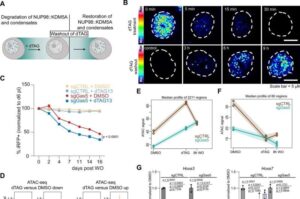
Researchers at the University of Veterinary Medicine Vienna, in collaboration with the CeMM Research Center for Molecular Medicine and St. Anna Children’s Cancer Research, have developed a new analytical method that reveals which RNA molecules are involved in cancer-promoting cellular structures.

In ion beam therapy, atomic nuclei are accelerated to high energies in a particle accelerator, for example, a synchrotron, and precisely directed at a tumor. There, they damage cancer cells and destroy tumor tissue. This technique is now used at several specialized medical facilities around the world, including MedAustron in Wiener Neustadt, Austria.

New research from scientists at the University of Toronto, the Sloan Kettering Institute, King’s College London (KCL) and the Francis Crick Institute is helping piece together the missing genetics of autism spectrum disorder (ASD).
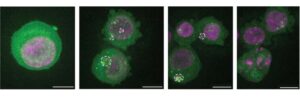
Cells from rapidly growing, highly metastatic tumors often contain numerous rings of extrachromosomal DNA (ecDNA). This circular DNA frequently carries oncogenes—genes that promote cancer. Researchers have long sought vulnerabilities in these DNA rings in an effort to stop their harmful activity.

The European certification follows the conclusion of a pivotal clinical study evaluating 244 patients.

A research team led by Indiana University School of Medicine scientists has discovered a new method for reducing the formation of amyloid plaques, which disrupt brain function in all aging adults but are particularly prevalent in patients with Alzheimer’s disease and related dementias.

CORUS incorporates integrated screw fixation as a nonsegmental posterior instrumentation tool.
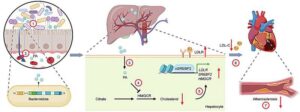
A common gut bacterium produces a molecule that slows cholesterol production in the liver. When researchers gave the molecule to mice prone to artery disease, the animals developed roughly half as much fatty plaque as untreated controls.
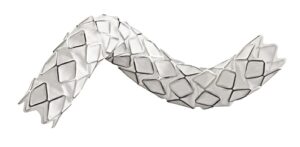
FLAGSTAFF, Ariz., Oct. 14, 2026 /PRNewswire/ — W. L. Gore & Associates’ medical business (Gore) today announced U.S. Food and Drug Administration approval of an expanded indication for the GORE® VIABAHN® VBX Balloon Expandable Endoprosthesis (VBX Stent Graft) for use in fenestrated and branched endovascular aortic repair (FEVAR and BEVAR).