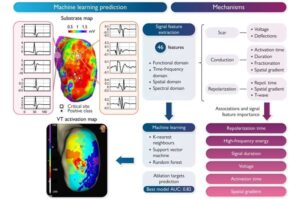
AI tool helps pinpoint problem heart cells in ventricular tachycardia
An AI tool could help cardiologists identify and target cells that trigger arrhythmia in patients with ventricular tachycardia, a serious heart condition.

An AI tool could help cardiologists identify and target cells that trigger arrhythmia in patients with ventricular tachycardia, a serious heart condition.
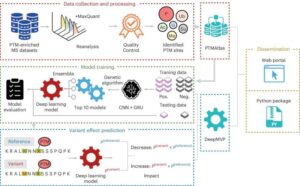
Researchers at Baylor College of Medicine have developed an artificial intelligence (AI) model that reveals how protein modifications link genetic mutations to disease. The method, called DeepMVP and published in Nature Methods, significantly outperforms previously published models and has implications for the development of novel therapeutics.
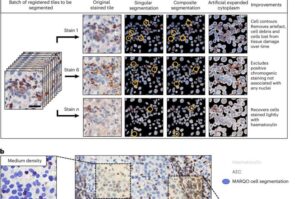
Scientists at the Icahn School of Medicine at Mount Sinai have developed a powerful new computational tool that could transform how cancer tissues are analyzed and help pave the way for more personalized treatments.
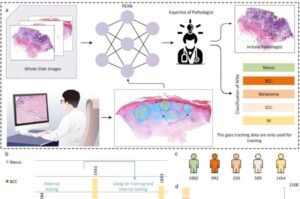
In the Age of AI, many health care providers dream of a digital assistant, unencumbered by fatigue, workload, burnout or hunger, that could provide a quick second opinion for medical decisions, including diagnoses, treatment plans and prescriptions.
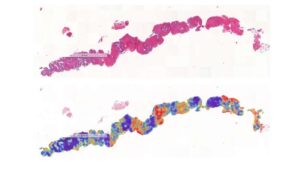
Men assessed as healthy after a pathologist analyzes their tissue sample may still have an early form of prostate cancer. Using AI, researchers at Uppsala University have been able to find subtle tissue changes that allow the cancer to be detected long before it becomes visible to the human eye.
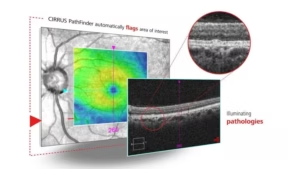
The CIRRUS PathFinder tool is available via licensing in the new software update.
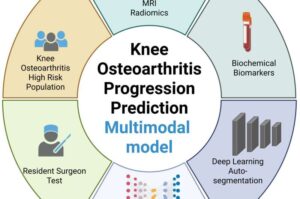
An artificial intelligence (AI)-assisted model that combines a patient’s MRI, biochemical, and clinical information shows preliminary promise in improving predictions of whether their knee osteoarthritis may soon worsen. Ting Wang of Chongqing Medical University, China, and colleagues have published this model in the journal PLOS Medicine.
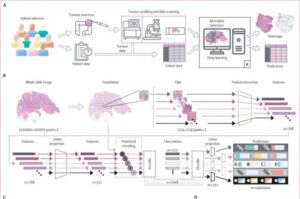
A multicenter study has analyzed nearly 2,000 digitized tissue slides from colon cancer patients across seven independent cohorts in Europe and the US. The samples included both whole-slide images of tissue samples and clinical, demographic, and lifestyle data.
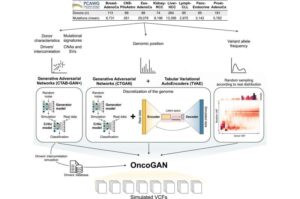
A new AI system that creates simulated cancer genomes could reshape the tools used to analyze tumors, helping bring about more accurate cancer diagnosis and ultimately more effective treatments.

Researchers have developed an AI tool that can help doctors predict who might develop a potentially fatal heart condition, just from an ECG.