MedTech News:

DEVICE

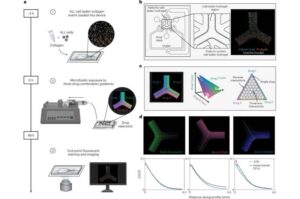
Lab-on-a-chip predicts which cancer treatments may work for pediatric acute lymphoblastic leukemia

More than 120,000 people in the U.S. are living with acute lymphoblastic leukemia (ALL), and 6,000 new cases are diagnosed each year. Of those, more than 3,500 will be in children. Responsible for 75% of all pediatric leukemia diagnoses, ALL is a rapid-onset blood cancer, preventing the body from producing mature, infection-fighting white blood cells, sometimes within a matter of months.

Read More »

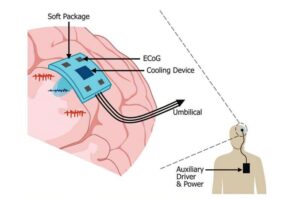
3D-printed implant prototype combines brain activity recording with targeted cooling

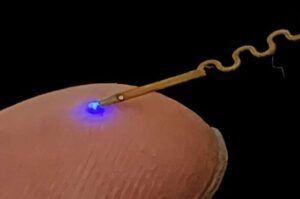
Researchers affiliated with the Leibniz Institute of Polymer Research Dresden (IPF) and the Else Kröner Fresenius Center (EKFZ) for Digital Health at TU Dresden have developed a 3D-printed implant prototype that combines the recording of brain activity with targeted cooling. The technology could pave the way for alternative approaches to treating drug-resistant focal epilepsy. The research is published in the journal Advanced Science.

Read More »

Vincora Receives FDA Approval to Initiate U.S. Early Feasibility Study of Transcatheter Chordal Repair System

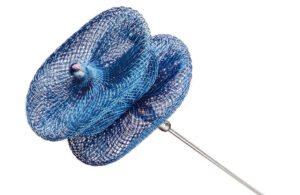
MAPLE GROVE, Minn., Oct. 27, 2026 /PRNewswire/ — Vincora (NeoChord, Inc. d/b/a Vincora), a medical technology company developing transcatheter therapies for mitral valve repair, today announced that the U.S. Food and Drug Administration (FDA) has approved the Company’s Investigational Device Exemption (IDE) to initiate a U.S. Early Feasibility Study (EFS) of its investigational Transcatheter Chordal Repair System for the treatment of degenerative mitral valve regurgitation.

Read More »

Wearable EEG patch records stable brain signals over 24 hours, including sleep

Reliably recording brain activity over many hours has so far been fraught with technical and practical challenges. While traditional electroencephalography (EEG) systems provide meaningful data, they are often uncomfortable and typically limited to controlled testing environments. Is it even possible to record EEG signals with good signal quality in everyday situations?

Read More »

Ultrasonic technology enables earlier stress-fracture detection

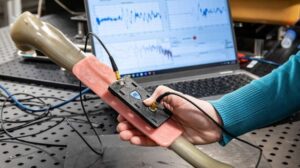
Tibial stress fractures are among the most common overuse injuries affecting military personnel, but they can be difficult to identify in their earliest stages. Small stresses in the bone may develop before an injury becomes apparent through conventional diagnostic tools, creating a window of opportunity for earlier detection to enable intervention.

Read More »