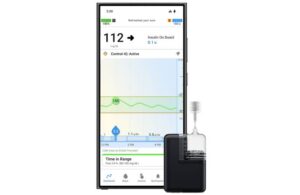
Tandem wins FDA nod to pair Mobi pump with Android smartphones
Tandem Diabetes Care (Nasdaq:TNDM) announced today that it received FDA approval for the Android version of its Mobi mobile app

Tandem Diabetes Care (Nasdaq:TNDM) announced today that it received FDA approval for the Android version of its Mobi mobile app
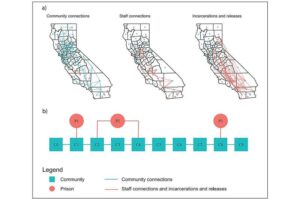
Stanford Health Policy researchers built a model to test whether AI could effectively manage disease spread between prisons and surrounding communities. The results were decisive.
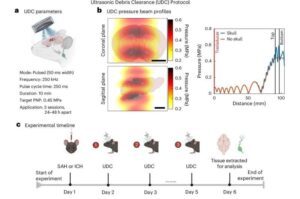
A low-intensity ultrasound treatment clears neurotoxic debris from the brains of mice with induced bleeding that resembles a hemorrhagic stroke, according to a study published in Nature Biotechnology.
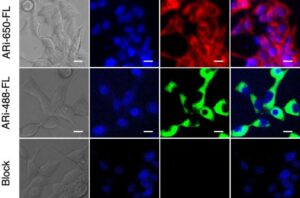
Researchers at Wayne State University and the Barbara Ann Karmanos Cancer Institute have developed a chemical imaging probe that resists the breakdown of certain compounds in the body, giving doctors a more dependable way to track and potentially treat prostate cancer.
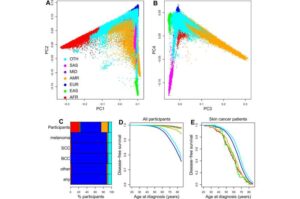
Researchers at the University of California San Diego School of Medicine have developed a new approach for identifying individuals with skin cancer that combines genetic ancestry, lifestyle and social determinants of health using a machine learning model. Their model, more accurate than existing approaches, also helped the researchers better characterize disparities in skin cancer risk and outcomes.
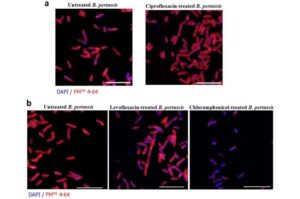
A research team from Trinity College Dublin has unveiled a new approach to vaccination that could redefine how we protect against respiratory infections. In a study published in Nature Microbiology, the team demonstrate that their nasally delivered, antibiotic-inactivated Bordetella pertussis (AIBP) vaccine not only prevents severe disease but also curbs bacterial transmission—an achievement long sought by vaccine developers worldwide.
“This is really unprecedented. A single treatment that simultaneously lowered LDL cholesterol and triglycerides,” said Luke J. Laffin, M.D., lead study author and a preventive cardiologist at the Cleveland Clinic

Few primary care practices are designed for the timely detection of Alzheimer’s disease and related dementias. The limited time that primary care clinicians are able to spend with patients, the need to focus on the health problems that brought the patient to the clinic, as well as the stigma of Alzheimer’s disease and dementia are major reasons for lack of recognition of the condition.
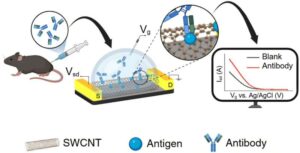
A team of researchers at the University of Pittsburgh has developed a skin patch that can detect antibodies associated with COVID and flu infections. It’s orders of magnitude more sensitive than existing tests, uses just a half volt of electricity, and can return results in 10 minutes.
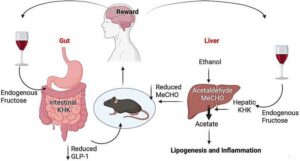
Scientists have uncovered a surprising connection between sugar metabolism and alcohol addiction, identifying a potential new therapeutic target for treating alcohol-associated liver disease (ALD) and alcohol use disorder (AUD).