
FDA clears Techsomed BioTraceIO360 for kidney ablation
Techsomed this week announced it received FDA 510(k) clearance to expand indications for its BioTraceIO360 software platform to include percutaneous ablation of soft tissue in the kidney.

Techsomed this week announced it received FDA 510(k) clearance to expand indications for its BioTraceIO360 software platform to include percutaneous ablation of soft tissue in the kidney.
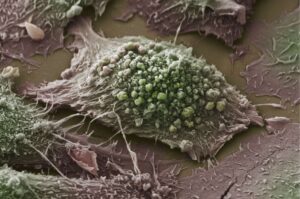
A team led by Christian Baumgartner of the Institute of Health Care Engineering at Graz University of Technology (TU Graz) has developed a highly detailed digital twin of the A549 lung cancer cell line. The twin builds on bioelectric processes and calcium dynamics in the cell interior in innovative new ways.

Scientists have developed and tested a deep-learning model that could support clinicians by providing accurate results and clear, explainable insights—including a model-estimated probability score for autism.
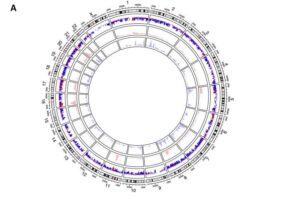
Researchers from the University of Birmingham’s Bladder Cancer Research Center have used a new method to detect chemical changes in the DNA in an individual’s urine sample; epigenetic changes, called methylation.
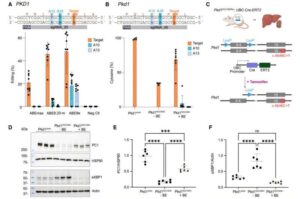
Researchers in Berlin have used base editing to repair mutations that cause the kidney disorder ADPKD in cells from both mice and humans. In mice, a team led by Michael Kaminski was able to ease a key symptom of the difficult-to-treat disease.

Tulane University researchers have developed an enhanced CRISPR-based tuberculosis test that works with a simple tongue swab, a potential breakthrough that could allow easier, community-based screenings for the world’s deadliest infectious disease.
A powder based on morin, a natural compound extracted from plants such as guava leaves, apple and fig peels, certain teas, and almonds, has shown antimicrobial, anti-inflammatory, and antioxidant effects against bacteria that cause periodontal disease.

Researchers have developed a generative AI model that uses large-scale health records to estimate how human health may change over time. It can forecast the risk and timing of over 1,000 diseases and predict health outcomes over a decade in advance.
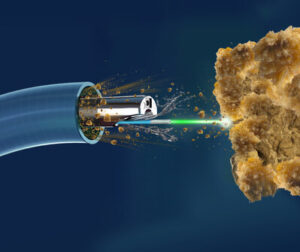
KENNESAW, Ga., Sept. 17, 2025 /PRNewswire/ — Dornier MedTech America (DMTA) has announced the full U.S. commercial launch of its Dornier Hoover Flexible and Navigable Suction Ureteral Access Sheath (FANS) and Dornier Axis II Slim single-use ureteroscope with a 5.6Fr. distal tip.
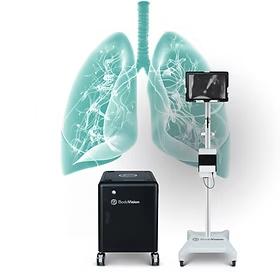
WALTHAM, Mass., Sept. 16, 2025 /PRNewswire/ — Body Vision Medical, a global leader in AI-powered intraoperative imaging, is proud to announce that its LungVision AI-powered advanced imaging system has received regulatory approval from the Central Drugs Standard Control Organization (CDSCO) in India. This approval marks a significant milestone in the company’s mission to improve early and accurate lung cancer diagnosis worldwide.