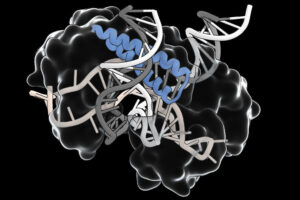
An ancient RNA-guided system could simplify delivery of gene editing therapies
The programmable proteins are compact, modular, and can be directed to modify DNA in human cells.

The programmable proteins are compact, modular, and can be directed to modify DNA in human cells.
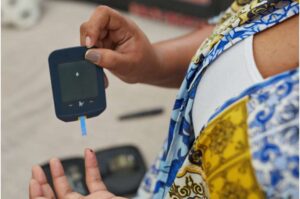
Millions of people with type 2 diabetes could receive better treatment thanks to a new, simple low-cost tool, according to research announced at the Diabetes UK Professional Conference 2025 and published in The Lancet.
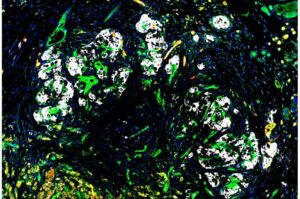
Adding engineered human blood vessel-forming cells to islet transplants boosted the survival of the insulin-producing cells and reversed diabetes in a preclinical study led by Weill Cornell Medicine investigators. The new approach, which requires further development and testing, could someday enable the much wider use of islet transplants to cure diabetes.
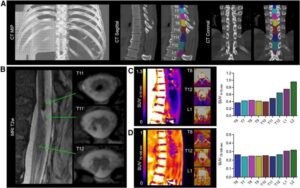
A novel PET technique that visualizes spinal cord injuries provides critical information about which patients may be able to regain mobility, according to new research published in the February issue of The Journal of Nuclear Medicine. By detecting intact nerve connections in the injured spinal cord, a newly developed radiotracer has the potential to help diagnose injuries more precisely, monitor recovery, and evaluate the effectiveness of new therapies in clinical trials.
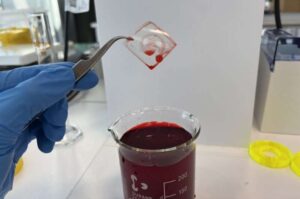
Zwitterions sound like a distant cousin of Twitter (X), but in fact they are a common macromolecule found in human cells. Scientists at the University of Sydney are also now using Zwitterions to create materials that could stop blood clots from forming in medical devices and implants.
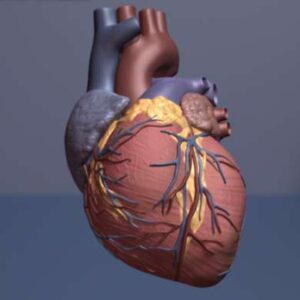
In a surprising discovery, scientists have found that the heart possesses “sweet taste” receptors, similar to those on our tongues, and that stimulating these receptors with sweet substances can modulate the heartbeat. This research opens new avenues for understanding heart function and potentially for developing novel treatments for heart failure.
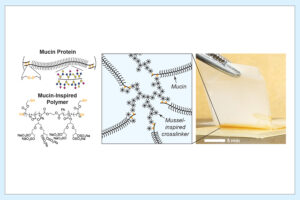
They combined a blend of slimy and sticky proteins to produce a fast-acting, bacteria-blocking, waterproof adhesive for use in biomedical applications.
Georgia Tech researchers have created a 3D-printed heart valve made of bioresorbable materials and designed to fit an individual patient’s unique anatomy. Once implanted, the valves will be absorbed by the body and replaced by new tissue that will perform the function that the device once served.
Elon Musk wants to merge humans with AI. And his goal of achieving “symbiosis” with artificial intelligence starts with a brain chip.
A research group from the Institute for Research on Next-generation Semiconductor and Sensing Science (IRES²) at Toyohashi University of Technology has developed an innovative in vivo electrophysiological neural recording technology that minimizes neuronal death and allows stable recordings for over a year.